Camera Shy Wedding Photography Tips That Work
If the thought of being photographed all day makes you want to hide behind the cake table, you are in very good company. The best camera shy wedding photography tips are not about turning you into a model by breakfast. They are about planning a day where you can forget the camera is there often enough for your real personalities to show up.
You do not need to practise a smouldering stare, memorise a list of poses, or pretend your partner has just told you the funniest joke in Britain. You only need a photographer, a timeline and a few small choices that leave room for you to be yourselves.
Start with the right definition of good wedding photos
A lovely wedding gallery does not need to be wall-to-wall portraits of you looking directly at the lens. For many couples, the photographs they return to most are the ones that bring back the feeling of the day: a squeeze of the hand before the ceremony, your nan having a proper dance, your mates losing it during the speeches, or the two of you taking a quiet breath outside.
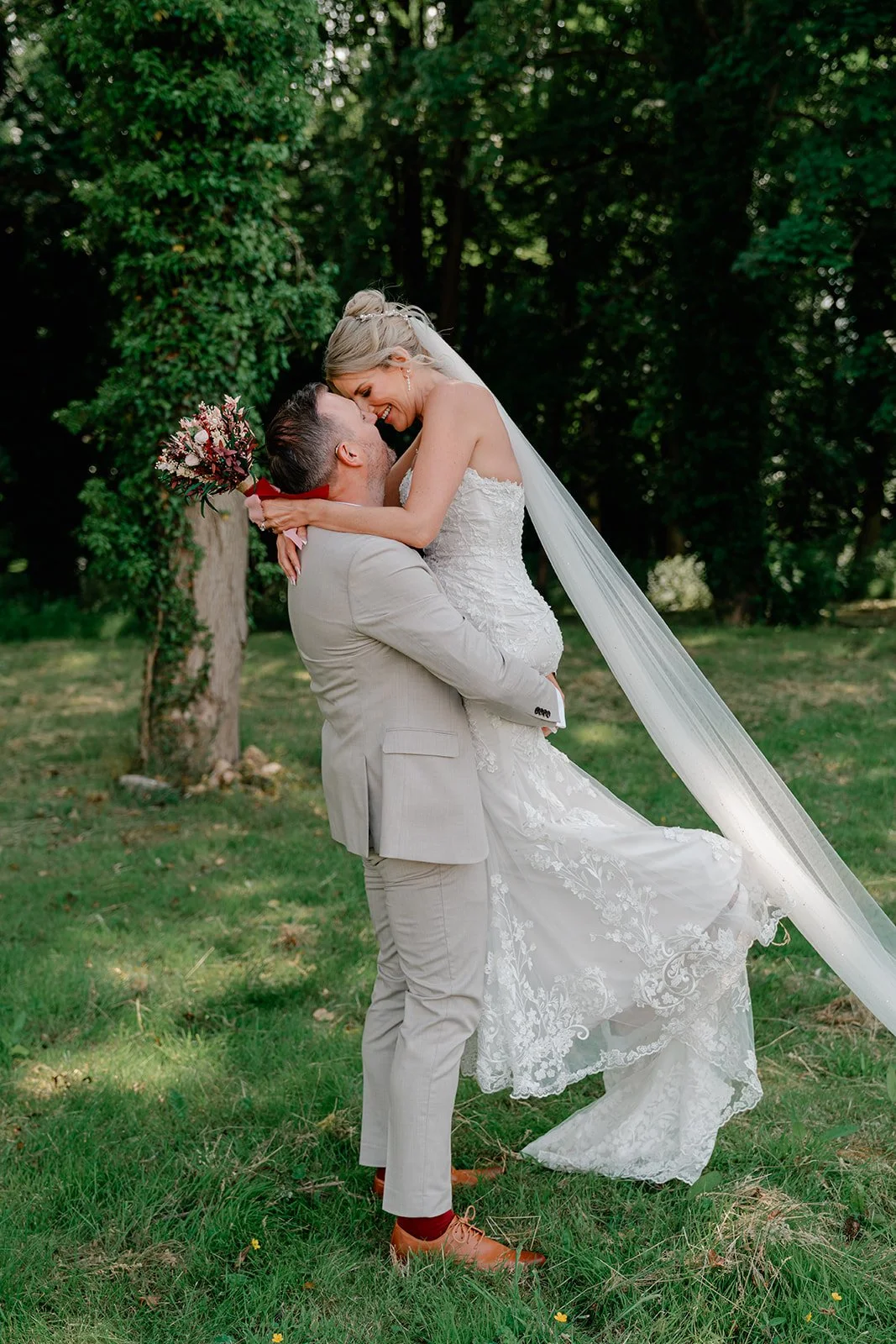
Being camera shy is not a flaw to fix. It often means you are more comfortable doing something than being asked to perform it. Documentary wedding photography works beautifully here because it is built around observation. Rather than stopping the day every few minutes, your photographer can look for the glances, gestures and glorious chaos already happening.
There is still a place for family photographs and a few portraits, of course. The difference is that they should feel like a small, calm part of the celebration, not an endurance event in formalwear.
Camera Shy Wedding Photography Tips Before the Day
Choose a photographer whose approach feels comfortable
This is the big one. Look beyond a pretty Instagram grid and ask how they work when things are actually happening. Do they direct every moment? Do they spend much of the day blending in? How do they handle portraits for people who insist they are awkward in front of a camera?
A good fit is someone you can speak honestly with. Tell them if you hate being watched, dislike close-up photos, feel self-conscious about a particular feature, or would rather not disappear from your guests for an hour. None of that is dramatic or difficult. It is useful information, and a thoughtful photographer will shape their approach around it.
A pre-wedding chat matters more than many couples realise. Once you have met or spoken properly, the person holding the camera becomes a familiar face rather than a stranger appearing beside you while you are trying not to cry during the vows. That alone can make a huge difference.
Build a timeline with breathing room
Camera nerves get louder when the schedule is frantic. If you are running late, 14 relatives are needed for group photos and the rain has arrived sideways across a Yorkshire field, even the most relaxed person may start to feel frazzled.
Allow sensible pockets of time. Ten quiet minutes after the ceremony can give you a chance to say hello to each other properly. Keep group photos short and make a list of the essential combinations in advance. If portraits matter to you, set aside 15 to 20 minutes near good light, then another five minutes around sunset if the weather plays nicely.
This does not mean your day needs to be timed to the second. Quite the opposite. A simple plan protects the relaxed bits. When you know the necessary photos have a place, you can get back to your people and your pudding.
Wear something you can move and breathe in
The most flattering pose is usually the one where you are comfortable. Make sure you can sit down, walk on grass, hug someone enthusiastically and use the loo without requiring a committee. Break in your shoes where possible, and consider the reality of your venue rather than only the mood board.
If you are wearing a veil, hat, kilt, boots or anything with a mind of its own, mention it to your photographer. They will know when to allow extra time and when to let the wind do the styling. Rain, mud and wild weather can make brilliant photographs, but only if you are not worried sick about protecting every hem.
On the day, give yourselves something to do
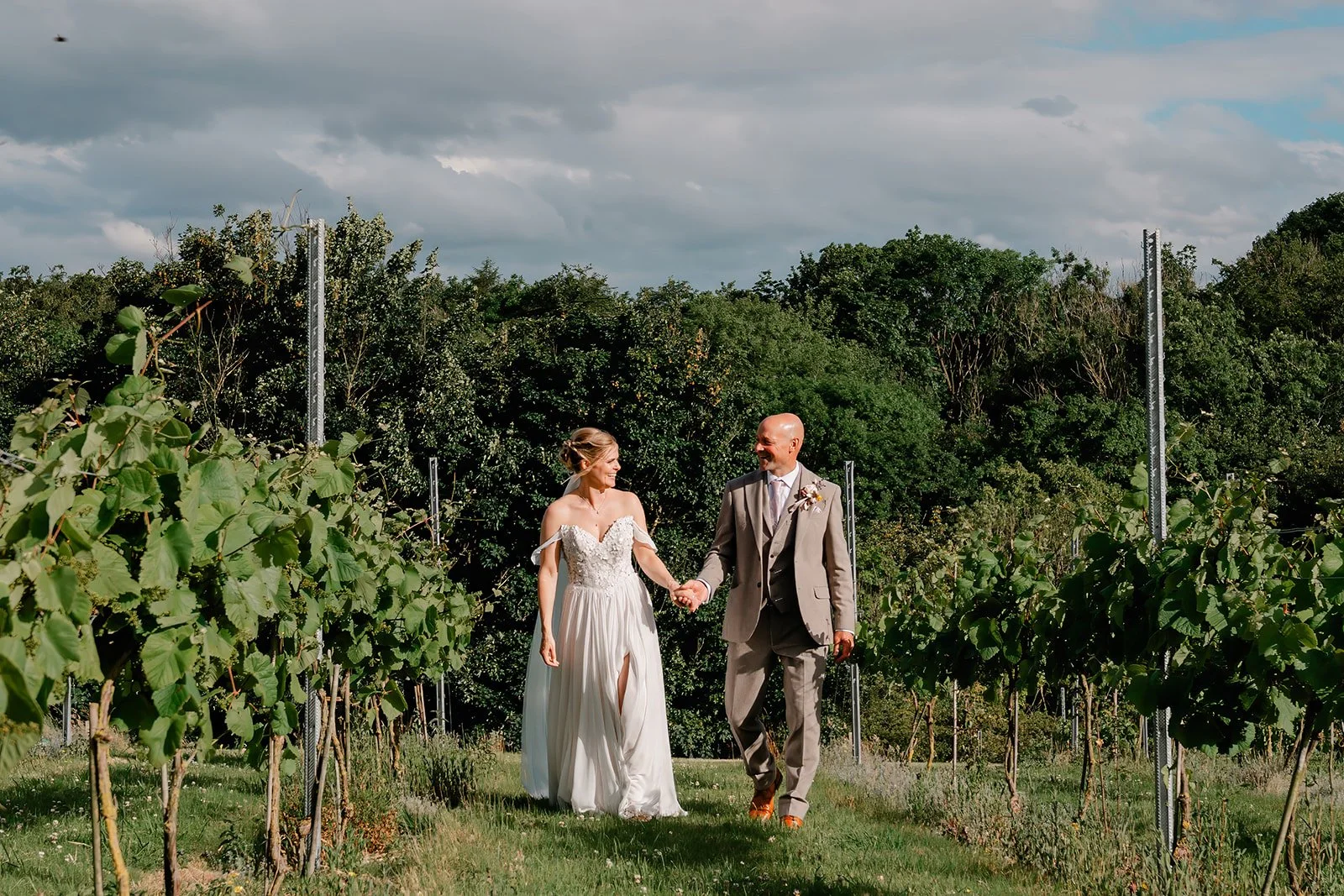
The quickest way to feel stiff is to stand still, face a lens and wonder what your hands are doing. For portraits, a gentle bit of movement is much easier. Walk together. Hold hands. Have a natter. Look at the view, straighten a collar, tuck in close if it is cold, or simply take a moment away from the noise.
You do not need to stare at each other continuously either. That can feel more like an acting exercise than romance. A photographer with a relaxed approach may give you a small prompt, then step back while you respond naturally. The goal is not perfection. It is connection.
If you start to feel awkward, say so. A decent photographer would always rather adjust the plan than keep firing away while you are counting down the seconds. Sometimes a change of location, a quick drink of water or a return to your guests is all that is needed.
Let candid moments carry the story
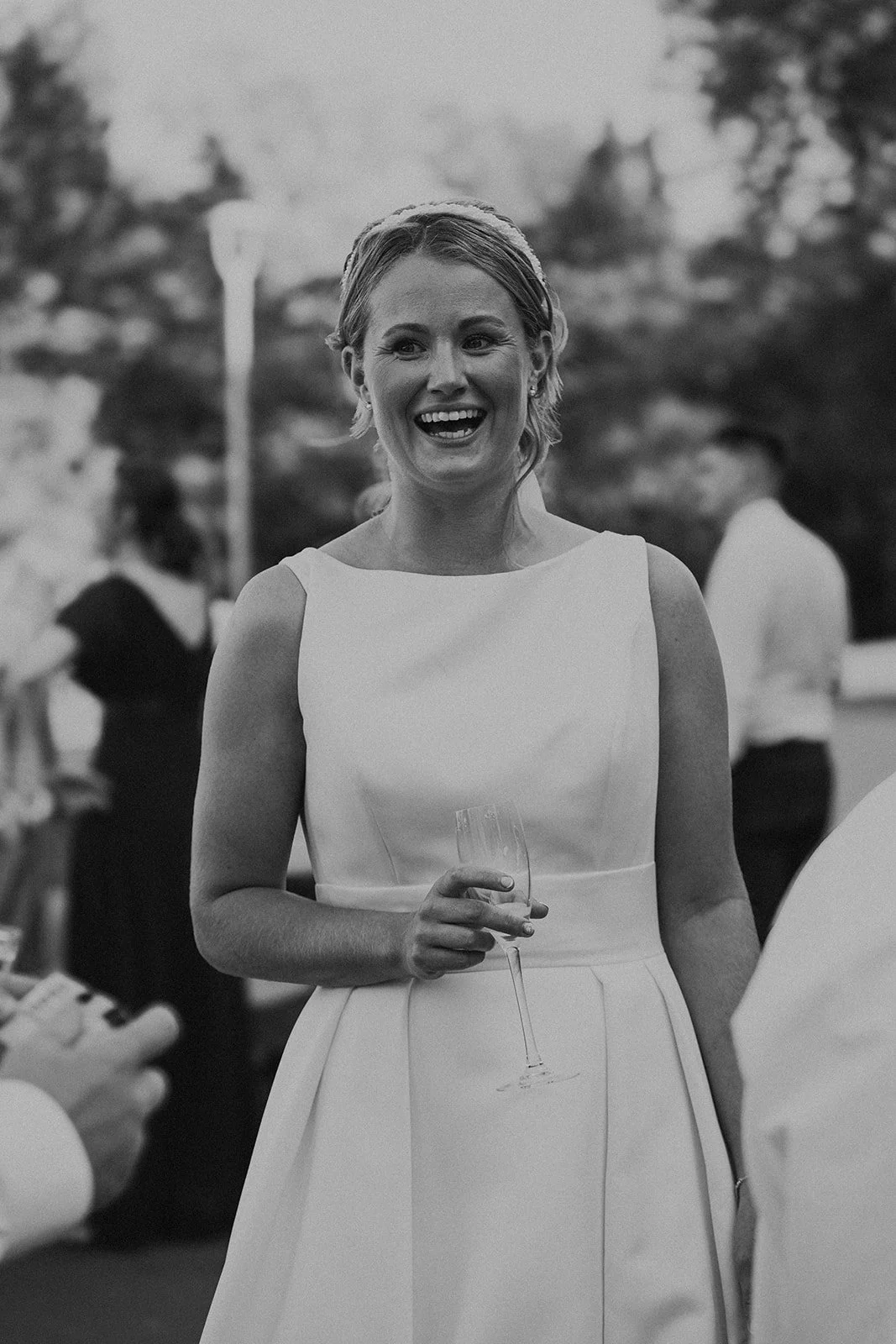
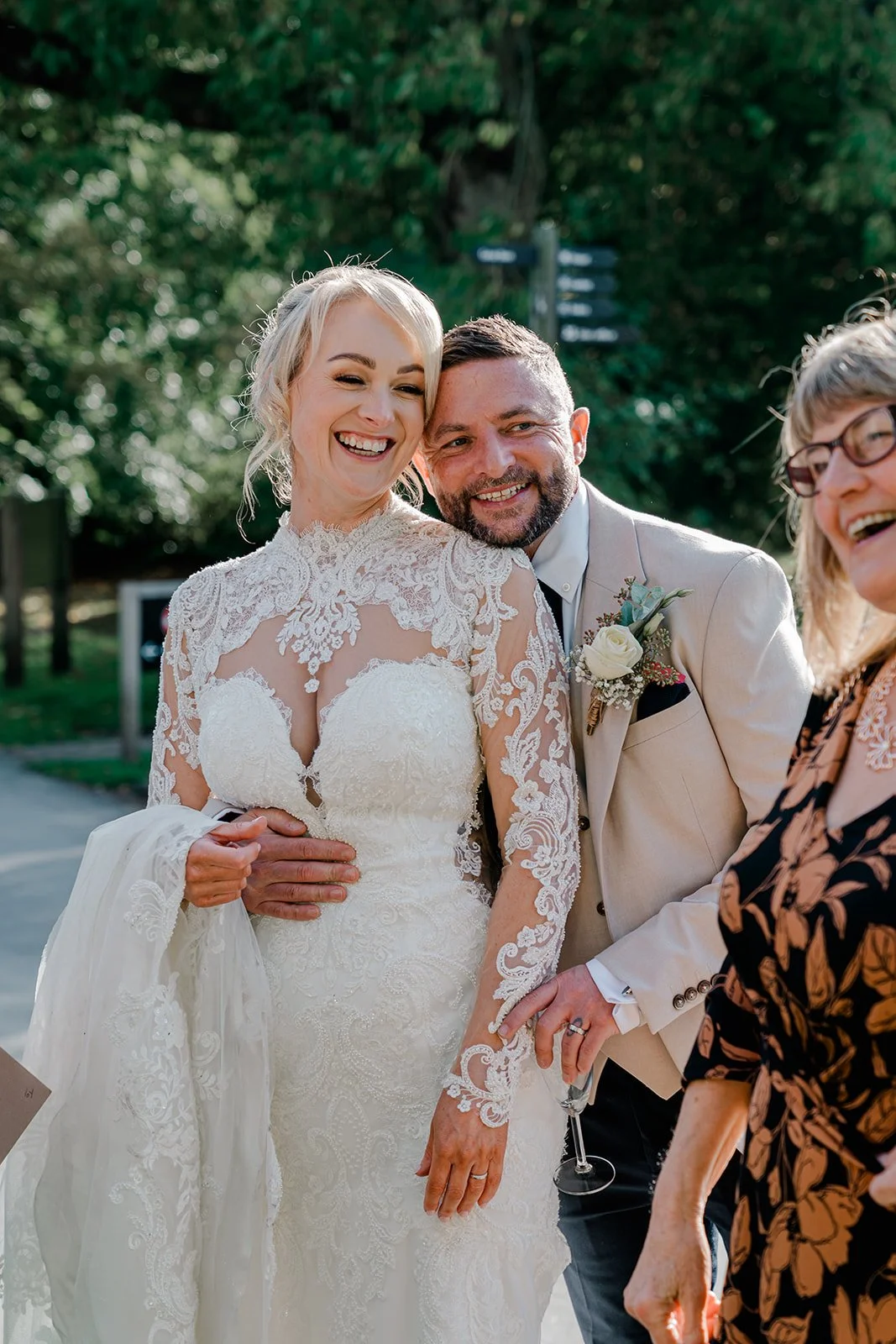
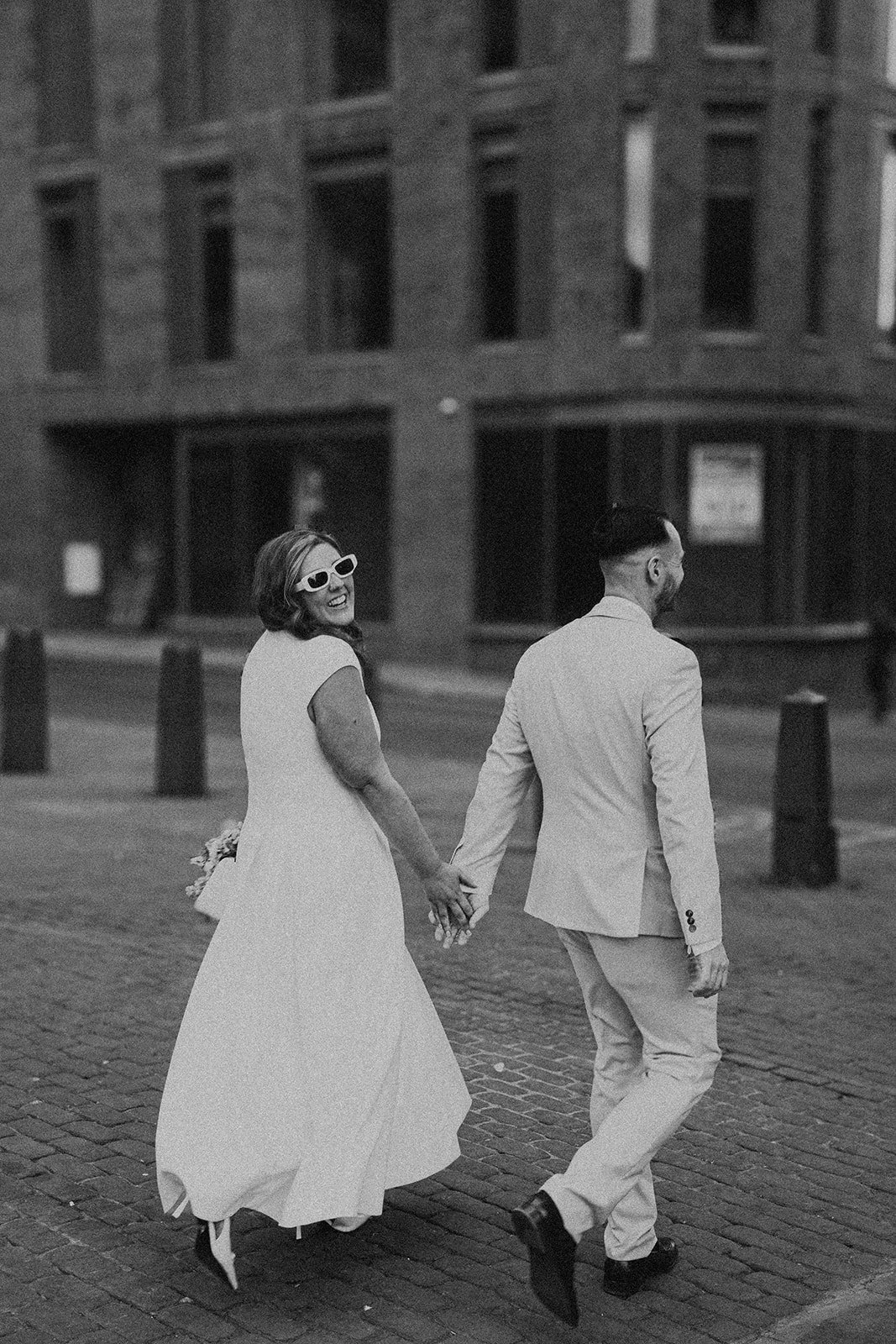
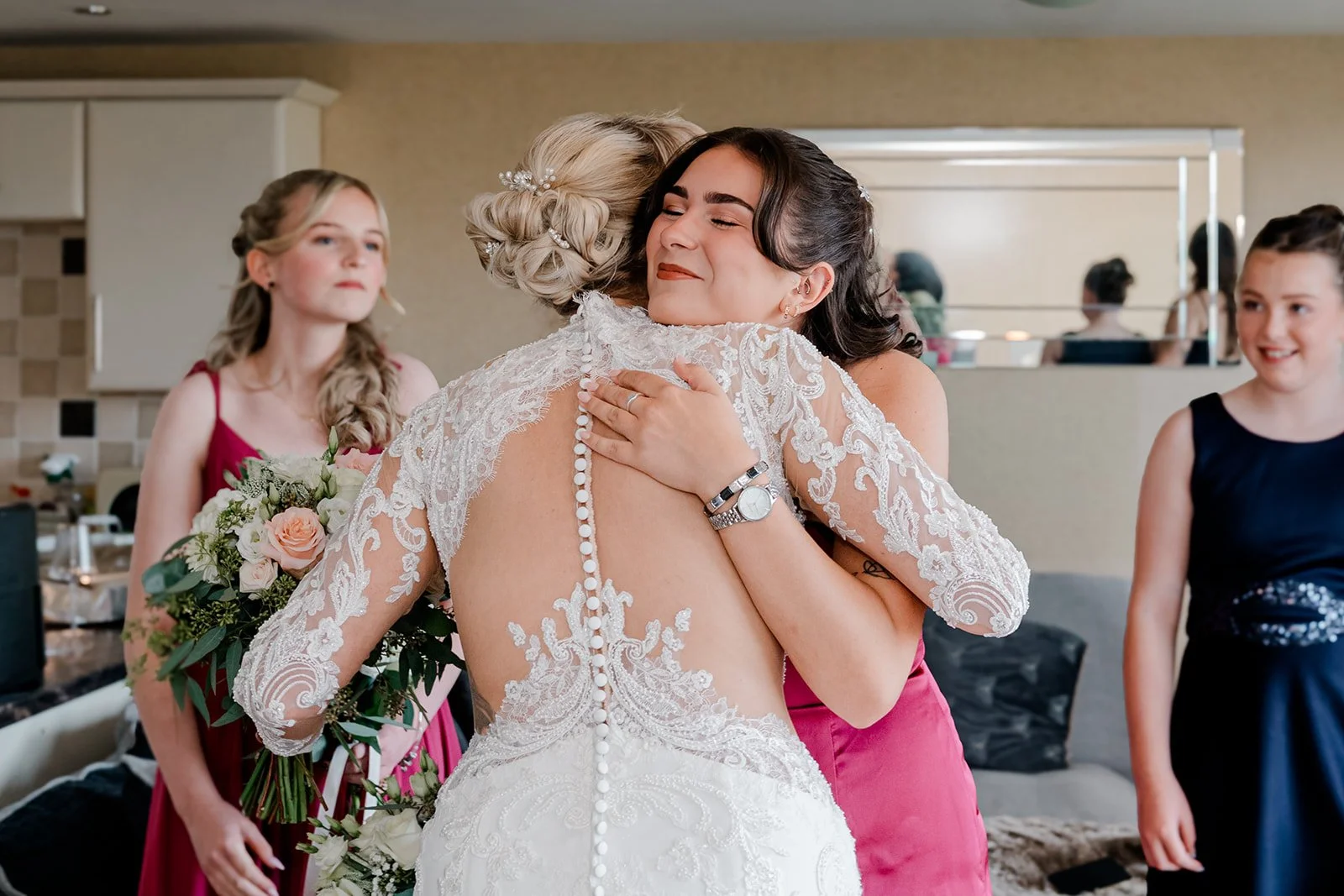
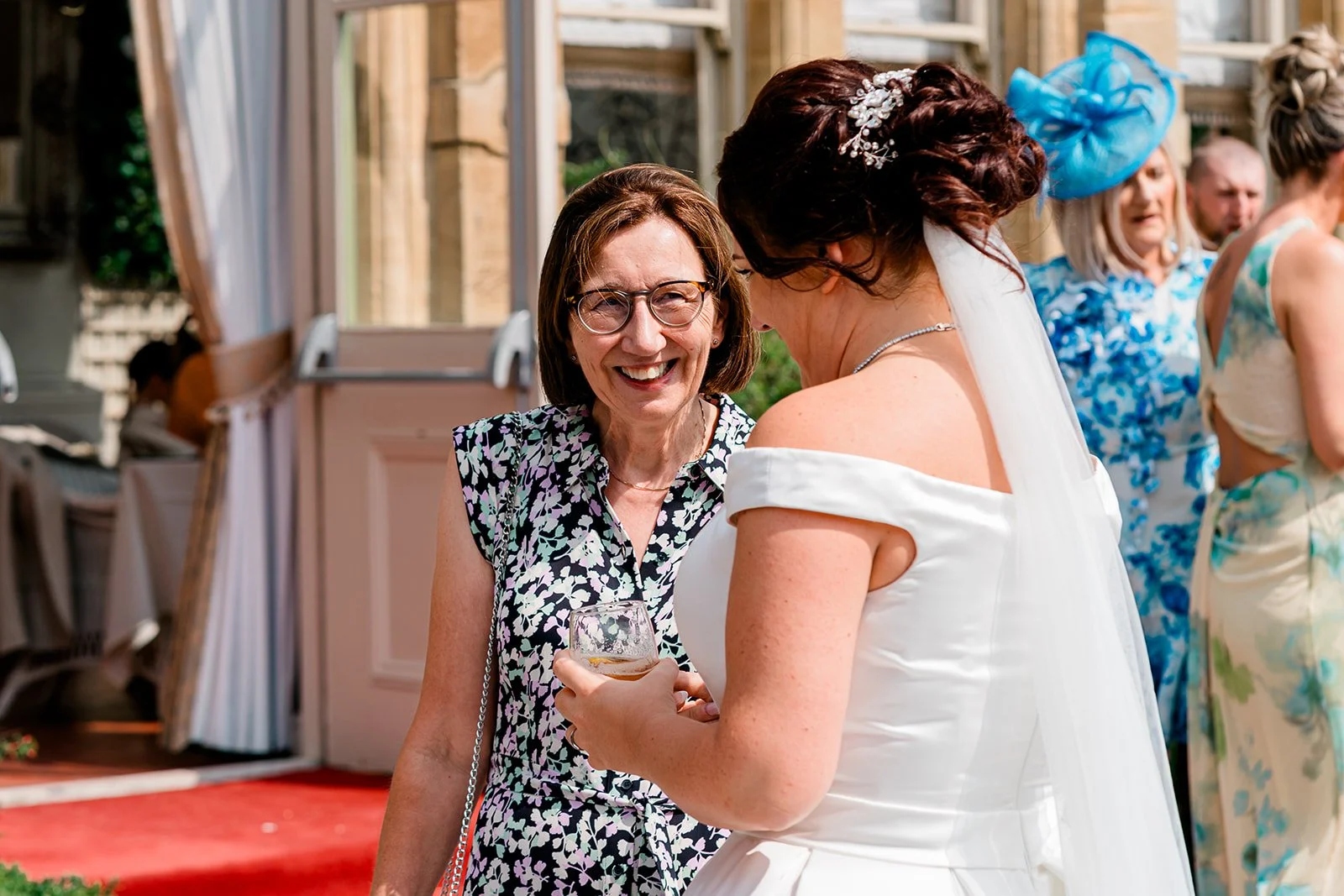
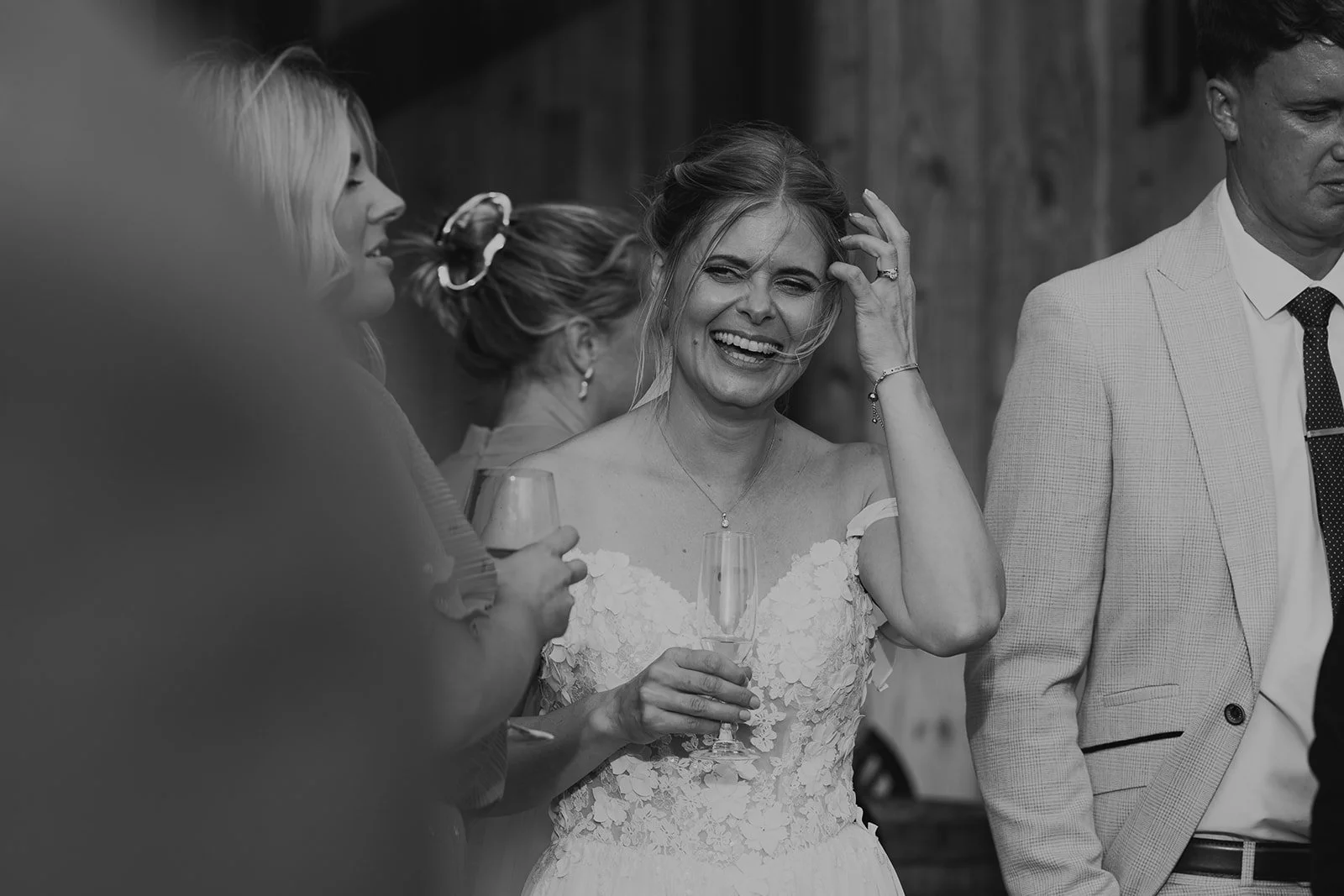
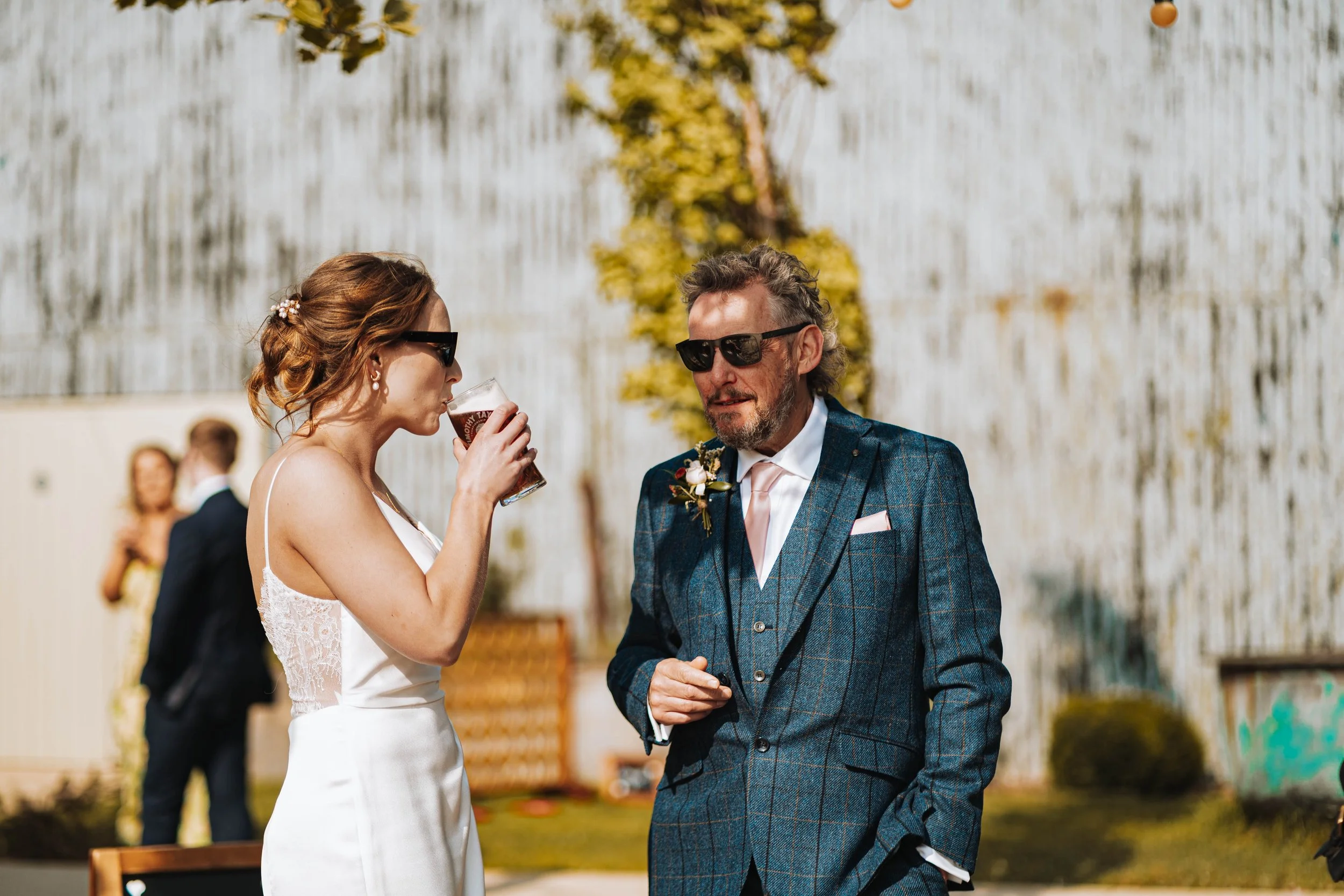
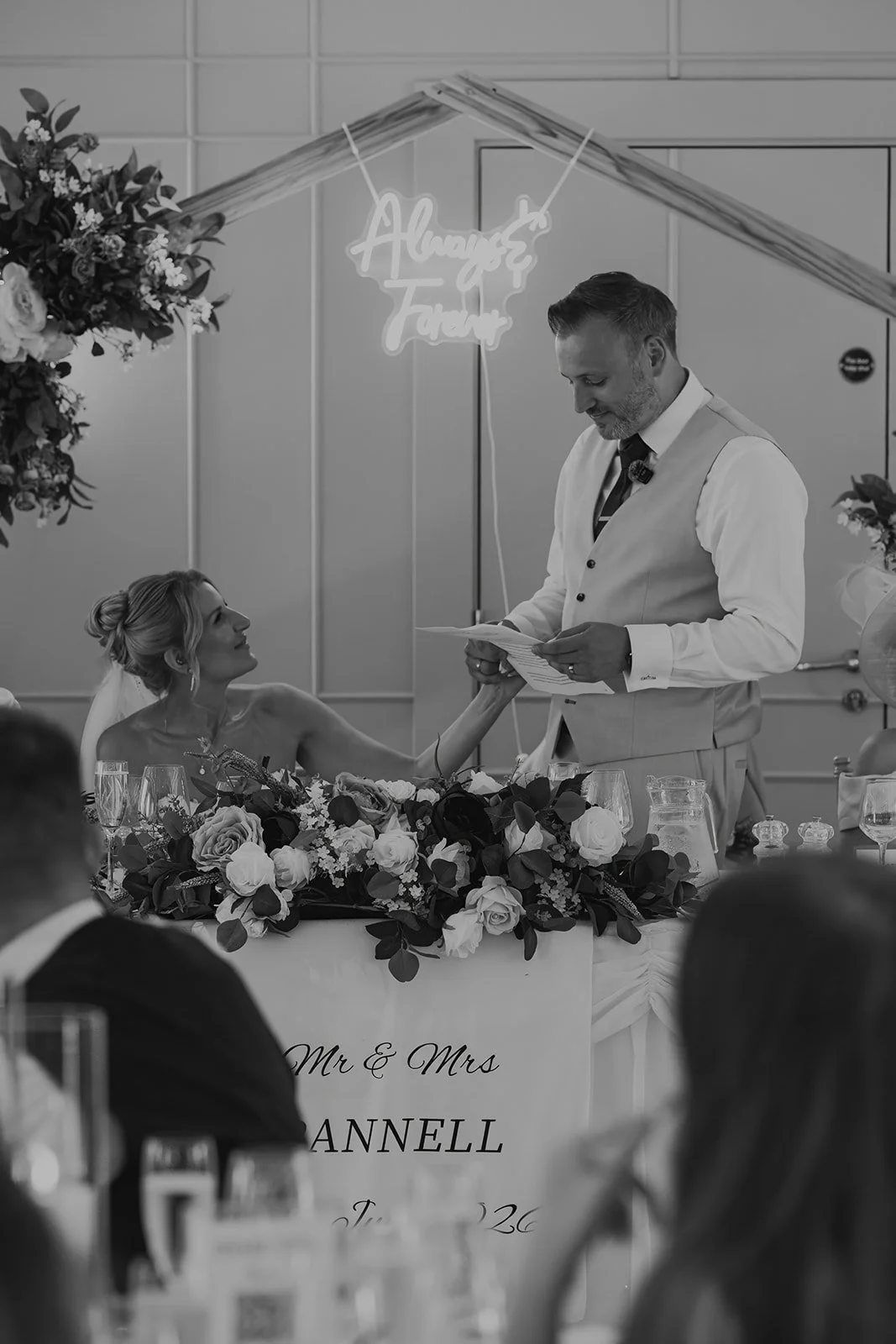
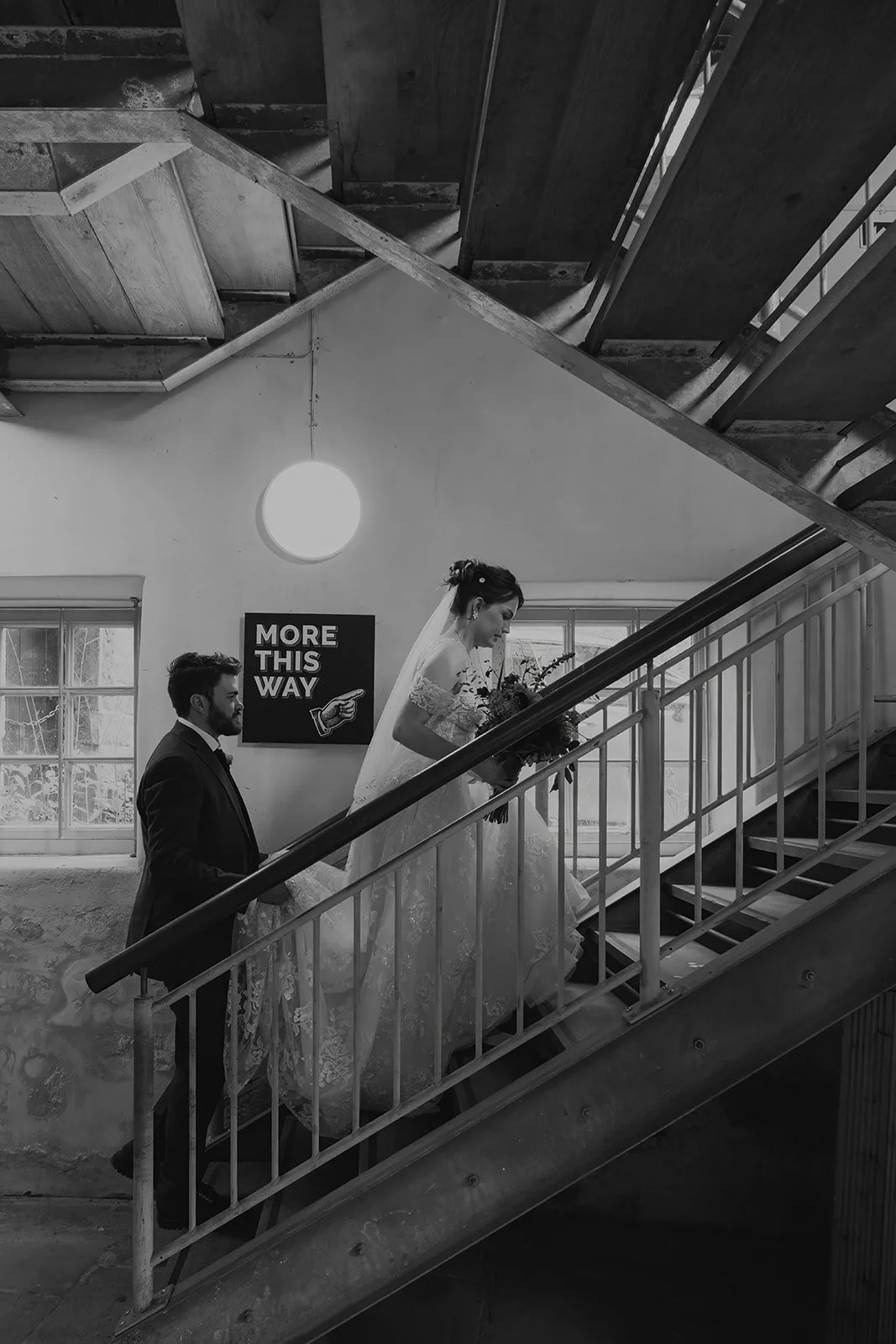
The good news for camera-shy couples is that much of a wedding day photographs itself. Getting ready with your favourite people, greeting guests after the ceremony, the speeches, hugs, dancing and those unexpectedly emotional moments all give you something real to focus on.
Try not to keep checking where the camera is. Easier said than done, admittedly. But if you spot it, carry on with the conversation or the dance move or the questionable attempt at opening a bottle of fizz. The most natural photographs happen when the moment matters more than the photograph.
This is also where an unobtrusive photographer earns their keep. They can be alert without becoming the main event, moving quietly around the room and catching the bits you missed while you were busy living them.
Keep group photographs useful, not endless
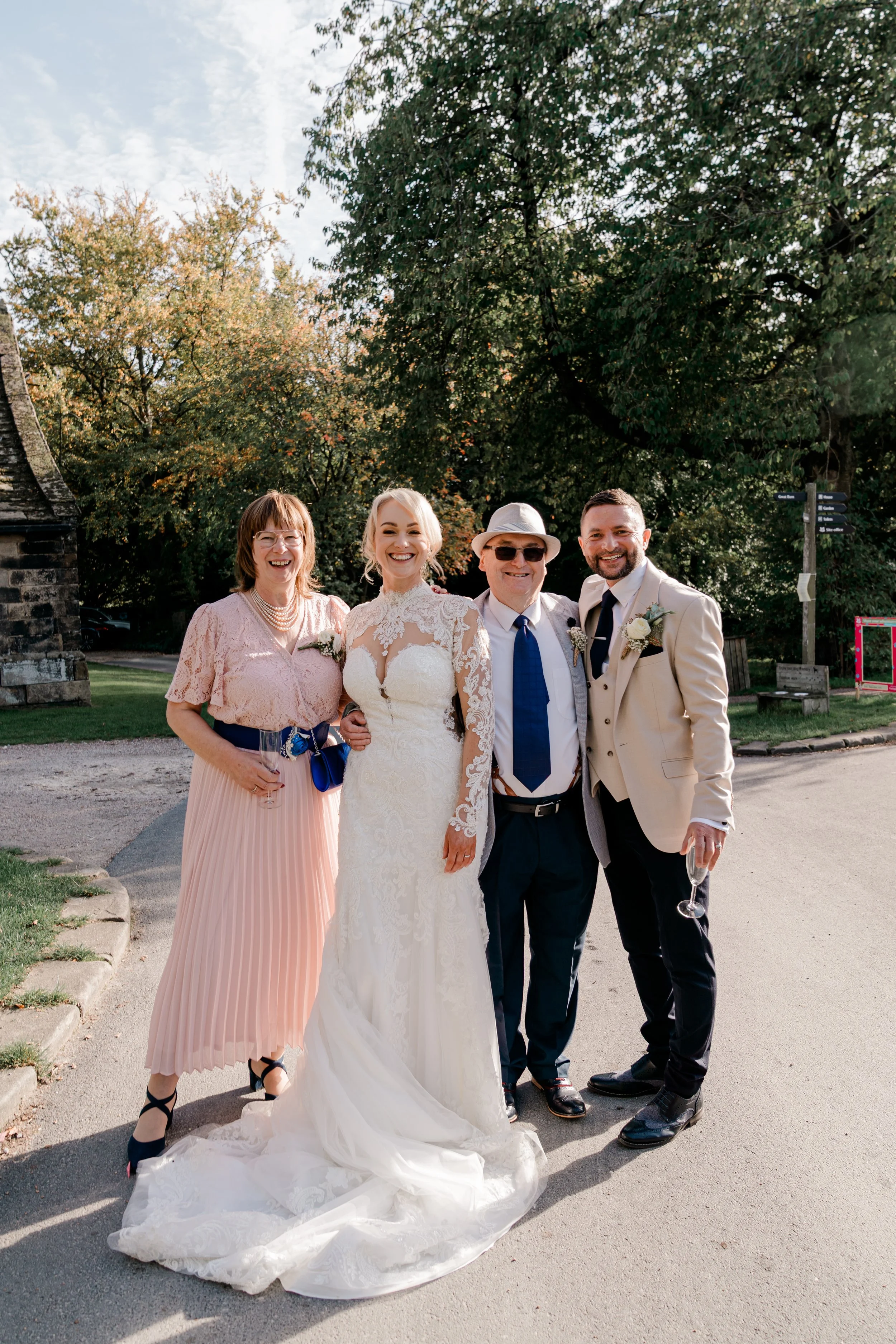
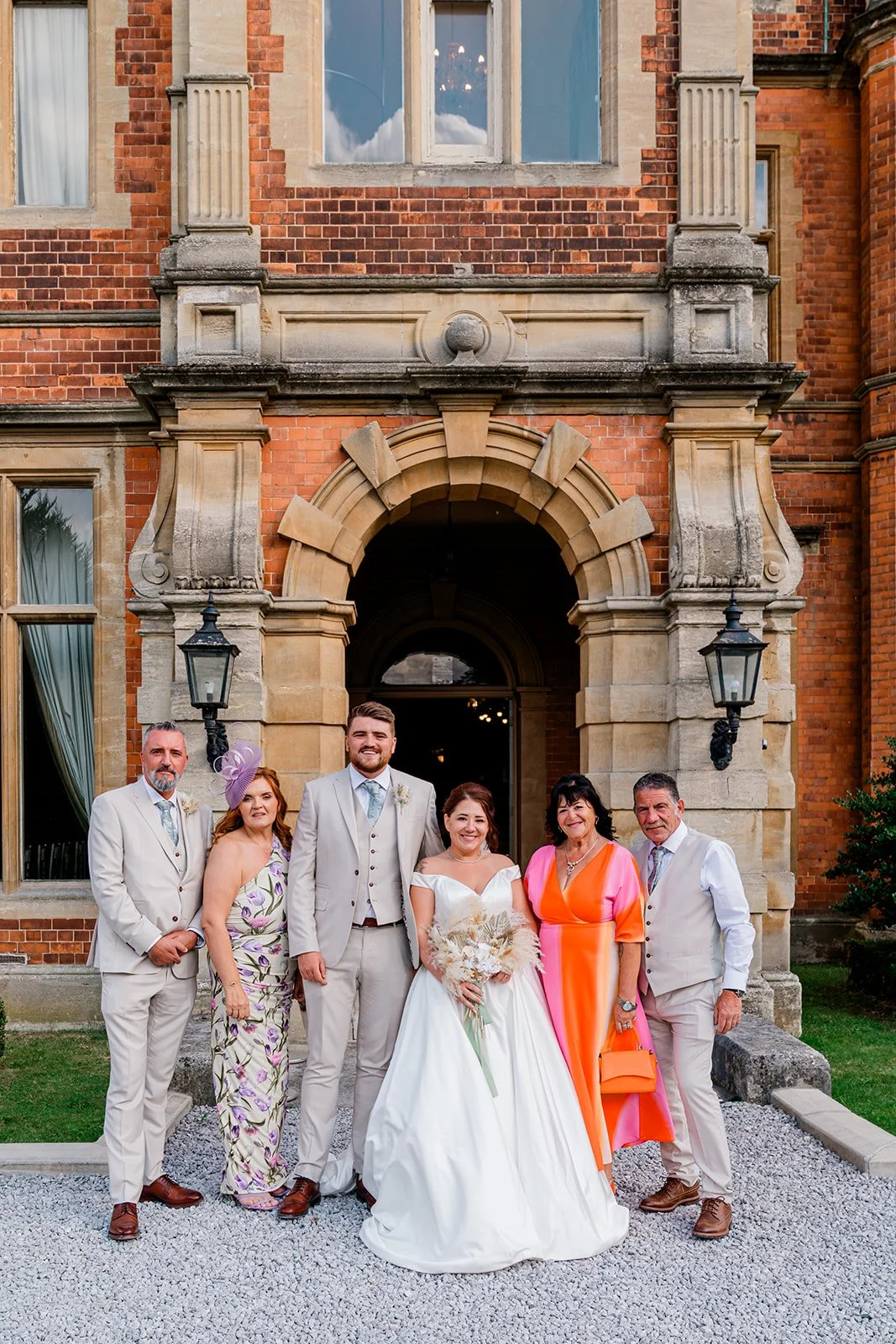
Family photos are often important, particularly when generations have travelled or when loved ones are rarely all in one place. They do not have to feel formal or take over the drinks reception.
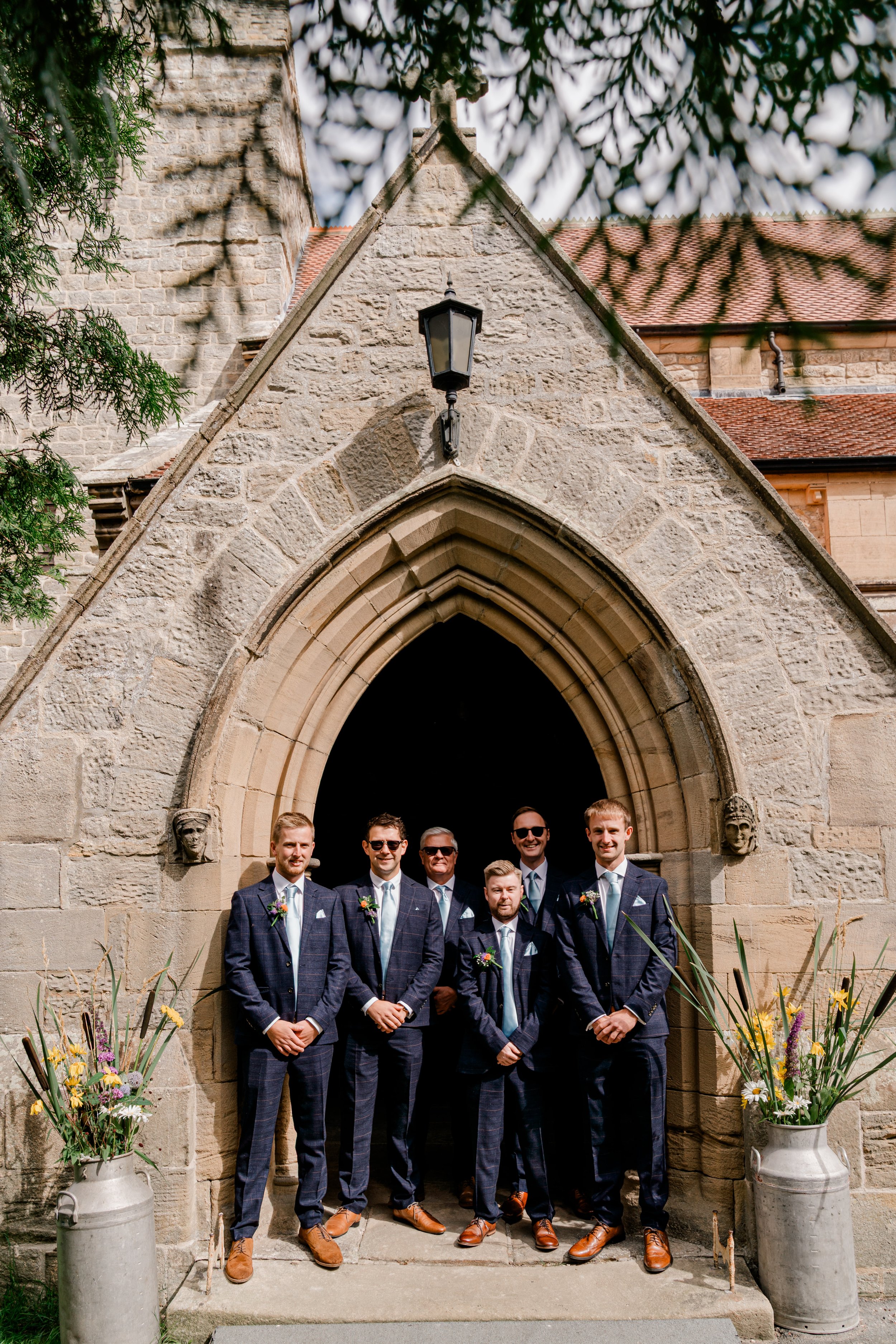
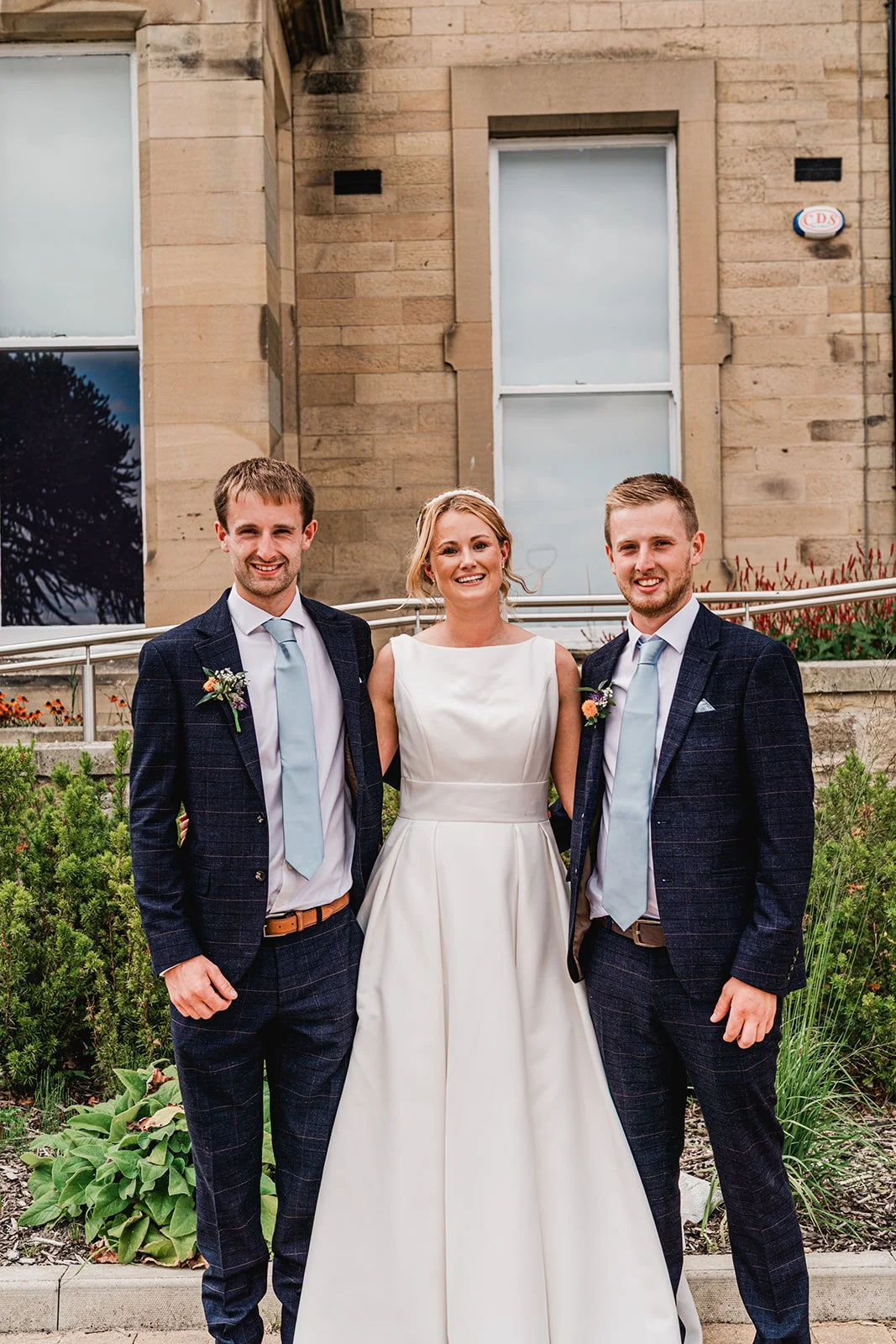
Choose the combinations you genuinely want on your wall or in an album. Immediate family, grandparents and closest friends are a good starting point. Ask one organised, loud-ish friend or relative to help gather people. Every family has somebody who knows exactly where Uncle Dave has wandered off to, and they are worth their weight in wedding cake.
Aim for efficient, then release everyone back to the prosecco. Smaller, meaningful lists make the whole process gentler for you and much more enjoyable for your guests.
Do not compare your day with somebody else's gallery
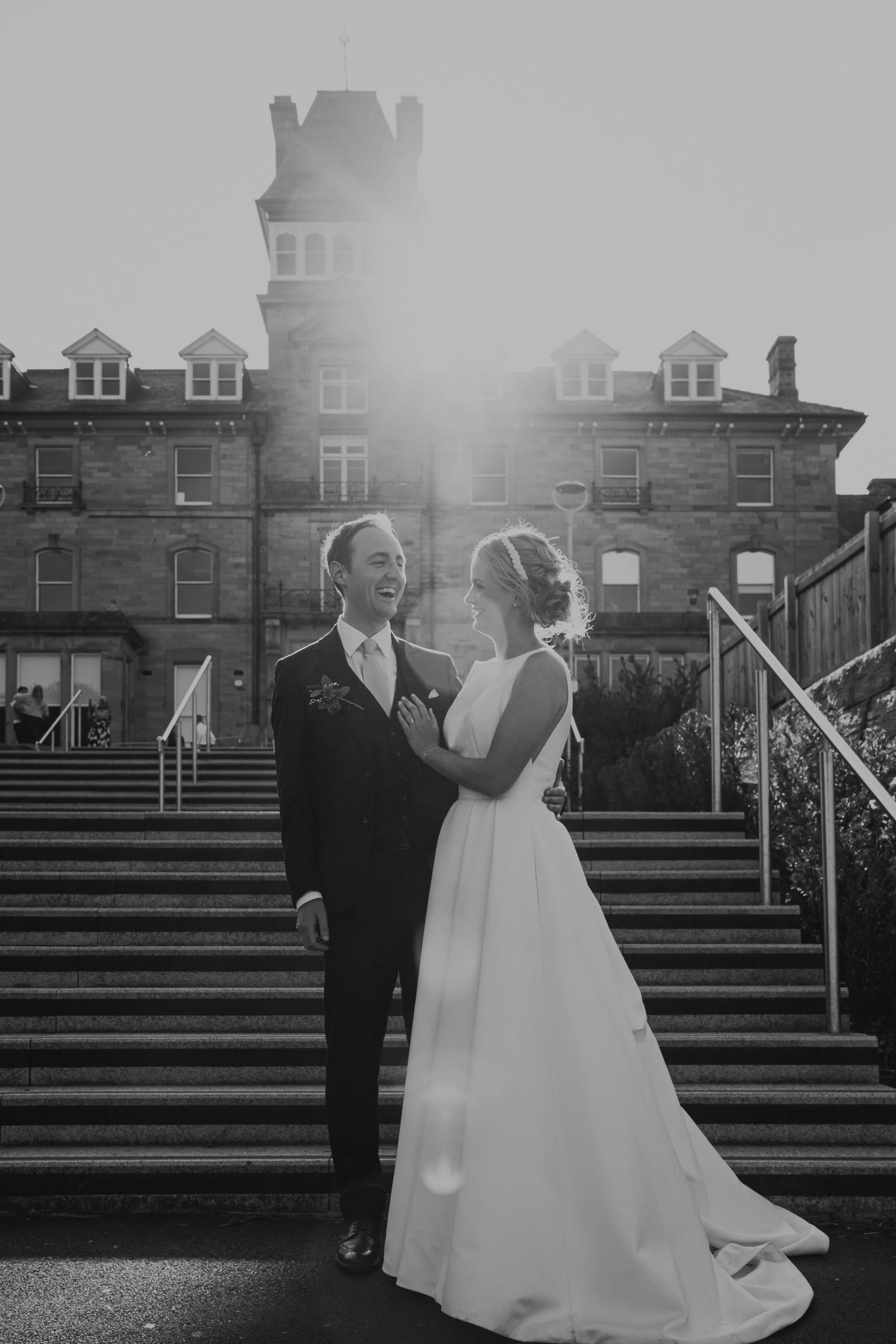
Some couples adore editorial portraits, dramatic poses and three separate outfit changes. Others would rather be photographed laughing with their dog outside the pub. Neither is more stylish or more valid. The best approach depends on what makes you feel like yourselves, the pace of the day, your venue and how much time you want to spend away from guests.
It is also worth remembering that photographs can look effortless because the photographer has done the work. They have noticed the good light, chosen a quieter corner, helped you relax and waited for the split second when your expression softens. You do not need to know how to pose. You just need to trust the person guiding you.
At Tigra Wood Photography, that means making portraits feel more like a brief wander and a chat than a photoshoot with instructions barked from behind a giant lens. The rest of the day is given space to unfold as it actually happened: noisy, emotional, funny and occasionally a bit windswept.
Give yourselves permission to enjoy it imperfectly
You might blink during the confetti throw. Your hair may meet the weather and lose the argument. Someone will probably pull a face in a group shot. These are not failures in the record of your day. They are part of it.
The photographs that last tend to be the ones that feel true when you look back years later. Stay close to the people you love, take the quiet moments when you need them, and let the camera catch up with the joy already happening.