What to Expect From a Yorkshire Documentary Wedding Photographer
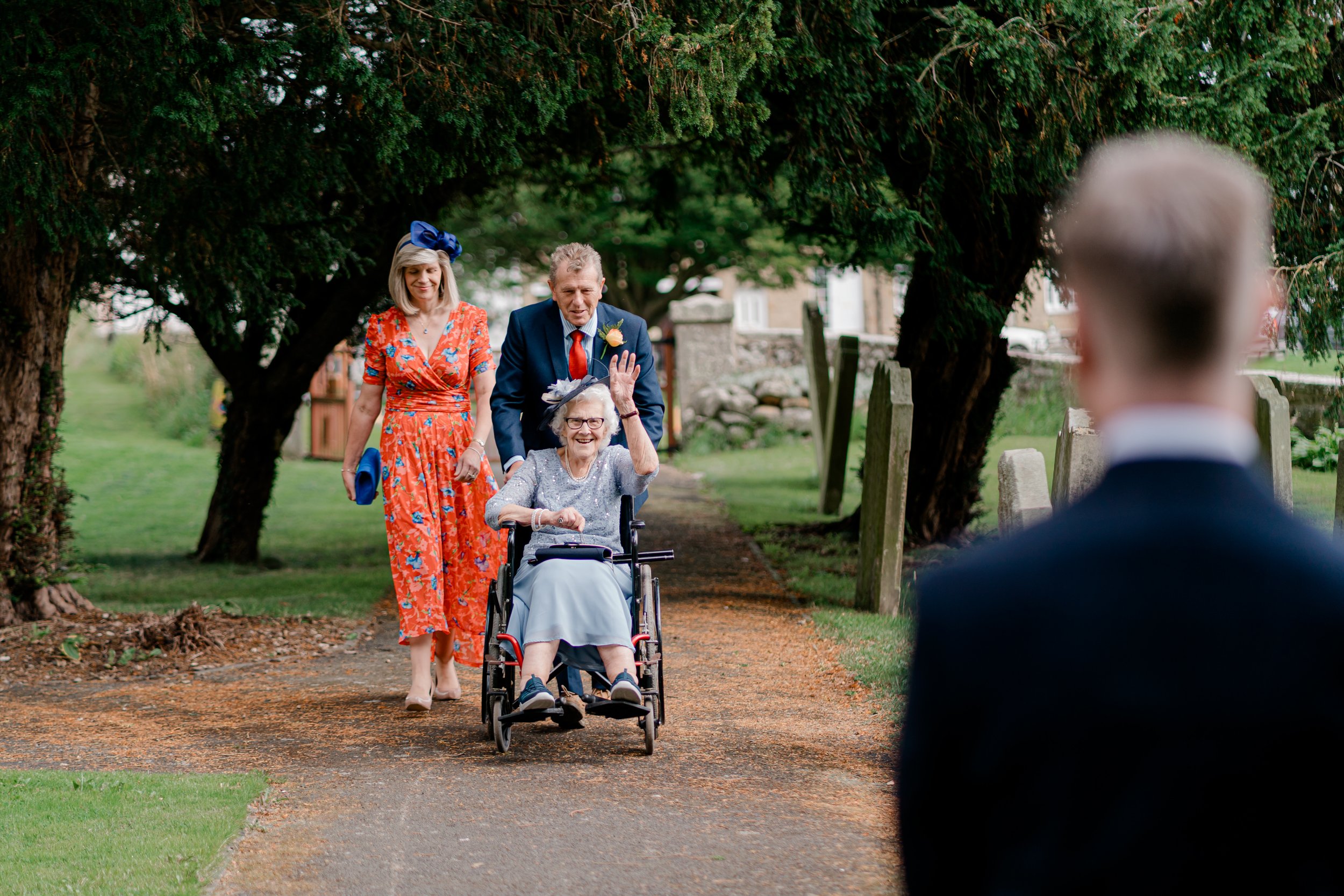
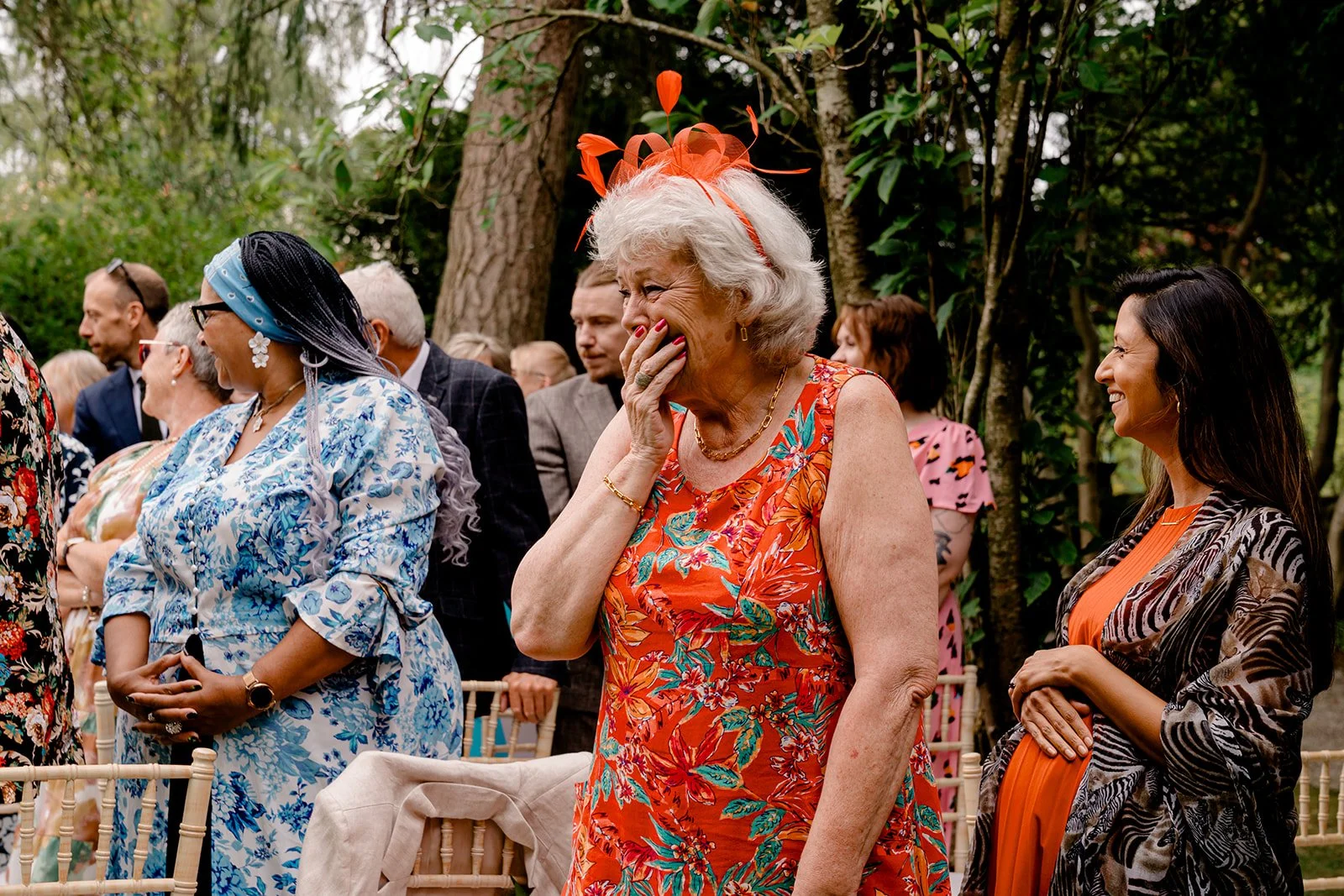
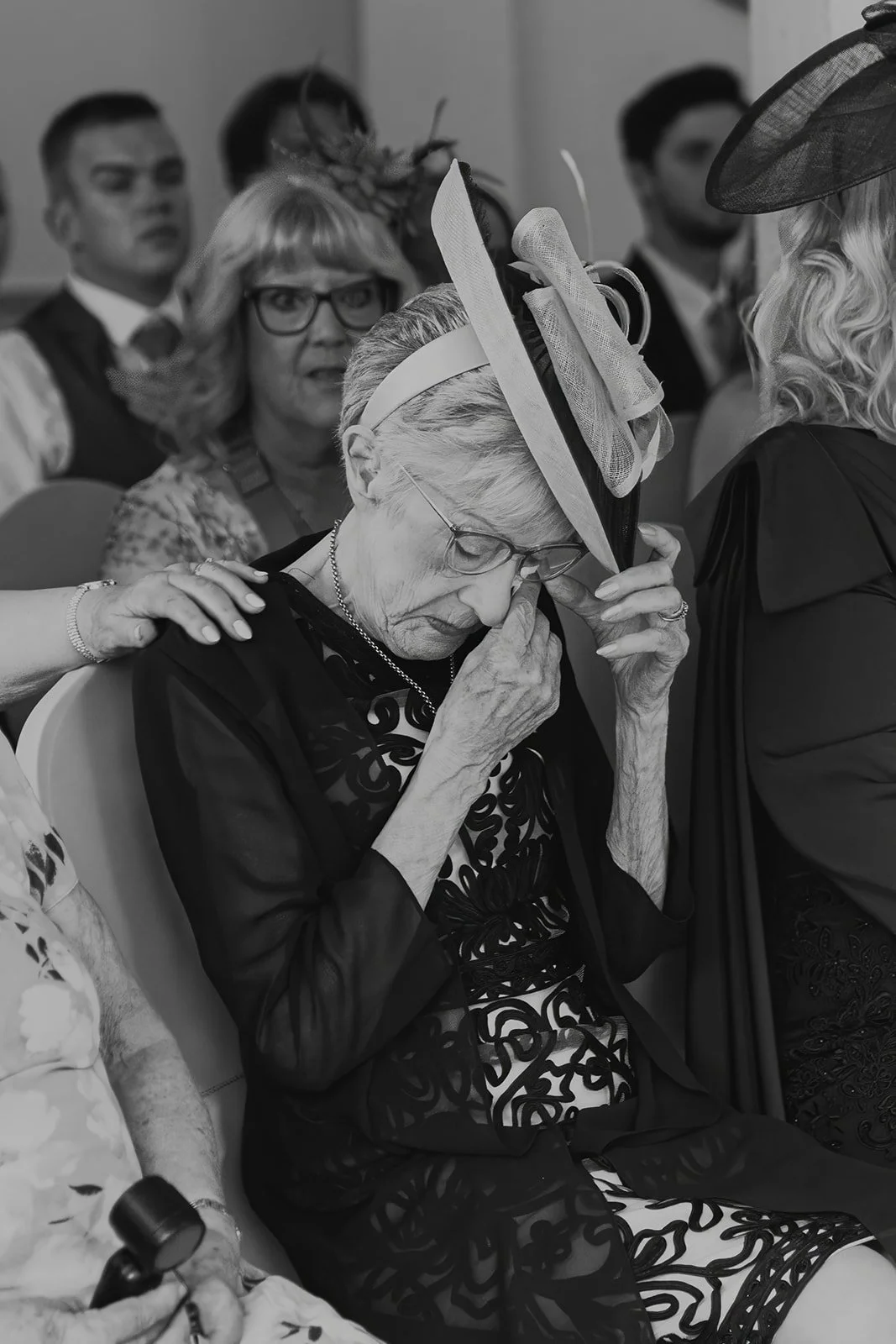
You know that bit of a wedding day no one plans for - your Grandma gripping your hand during the ceremony, your mate crying far earlier than expected, the flower girl giving up entirely and sitting under a table? That’s usually where the good stuff lives.
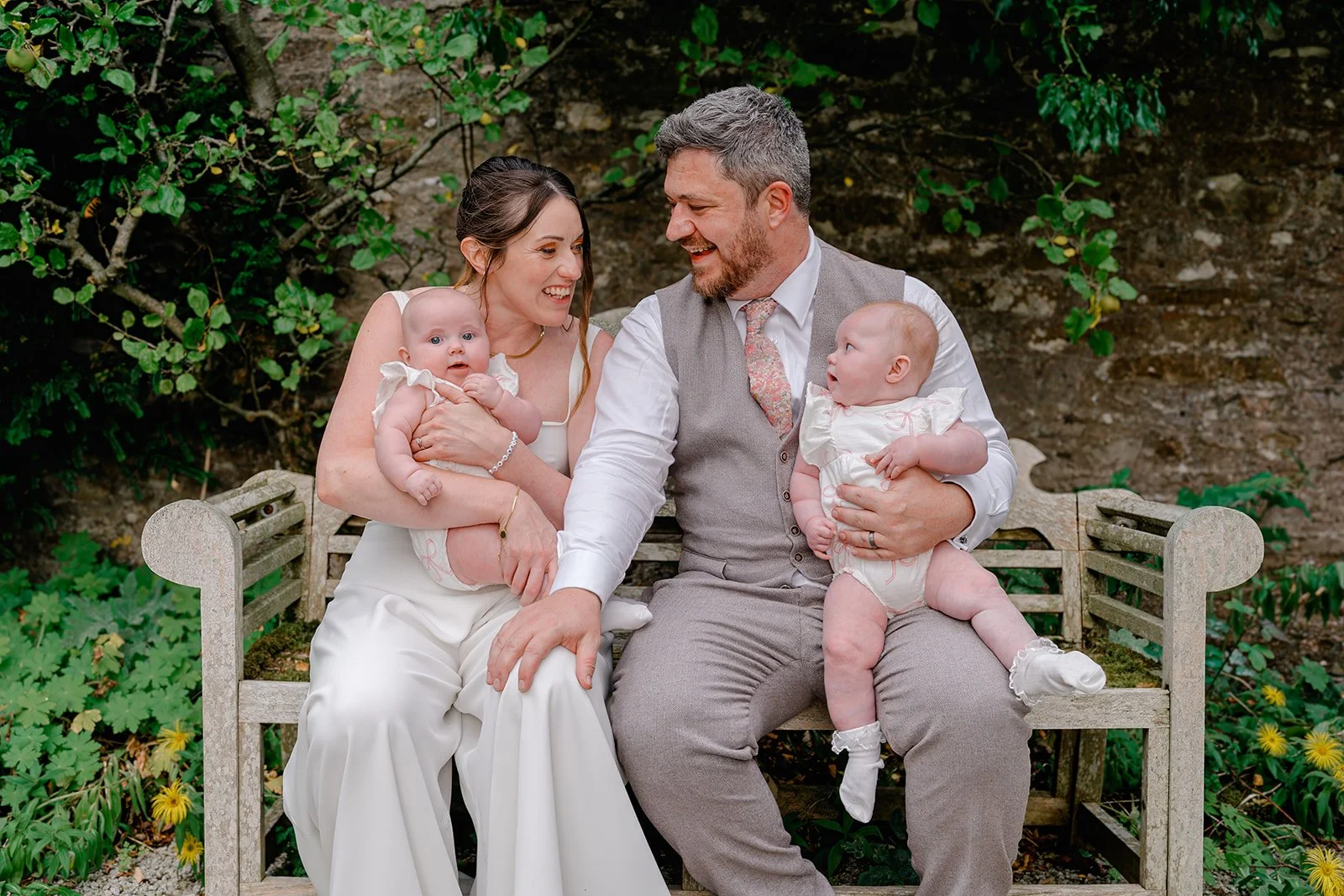
If you’re looking for a documentary wedding photographer in Yorkshire that couples actually feel comfortable around, chances are you’re not after a day of being lined up, arranged and told to tilt your chin a bit more to the left. You probably want photos that feel like your wedding, not a photo shoot with a wedding happening in the background.
That’s really the heart of documentary wedding photography. It’s about telling the story as it unfolds, without dragging you out of it every ten minutes.
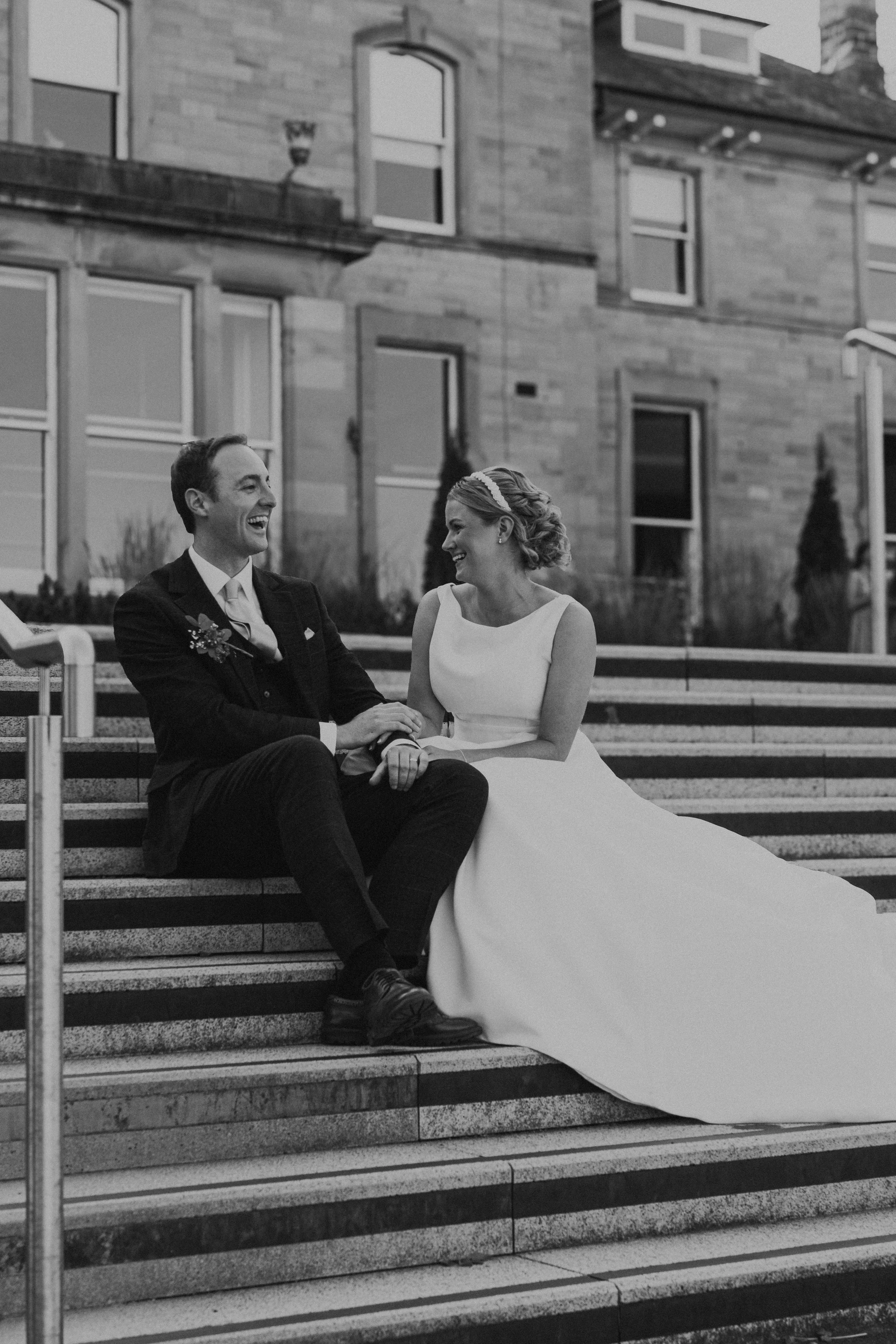
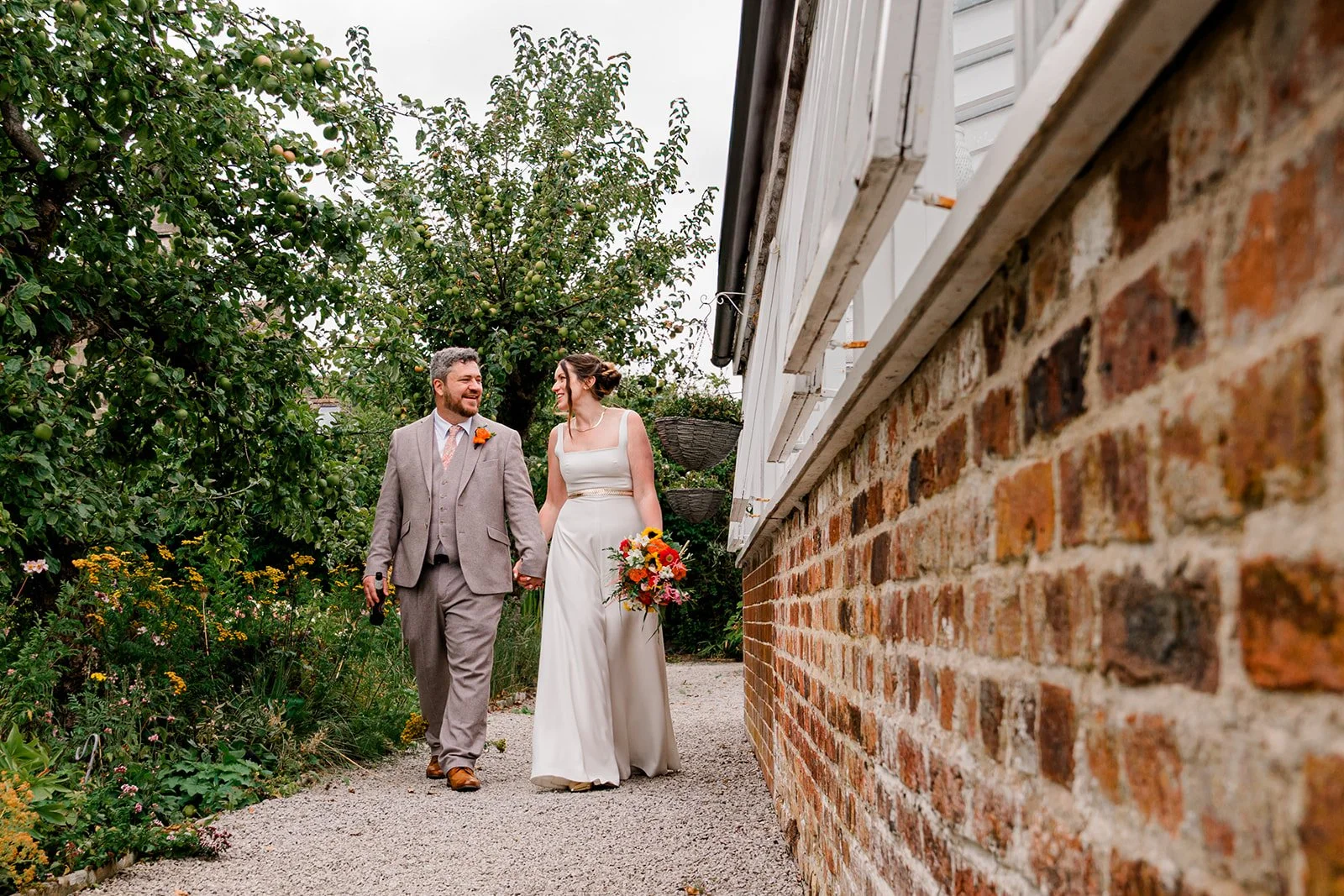
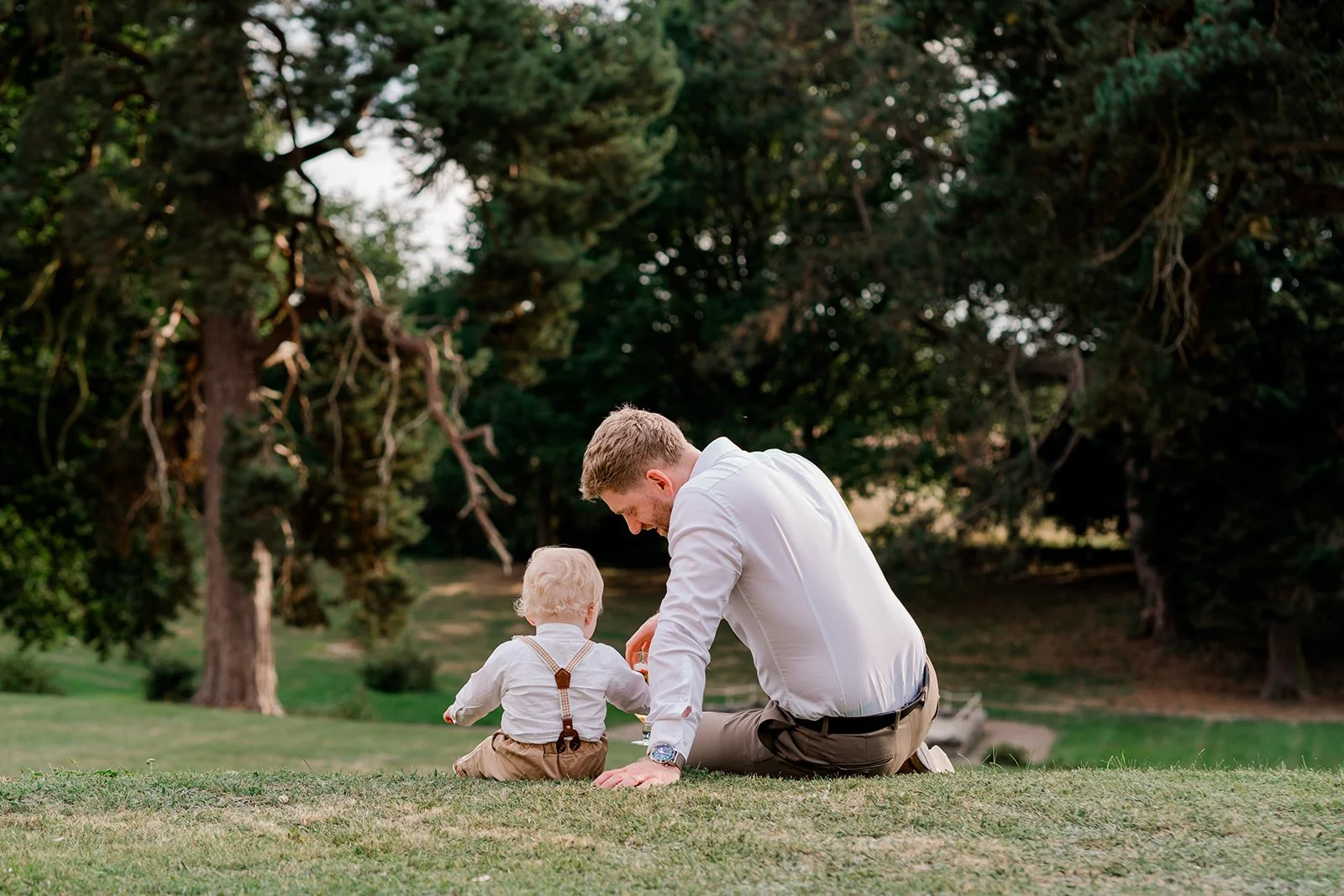
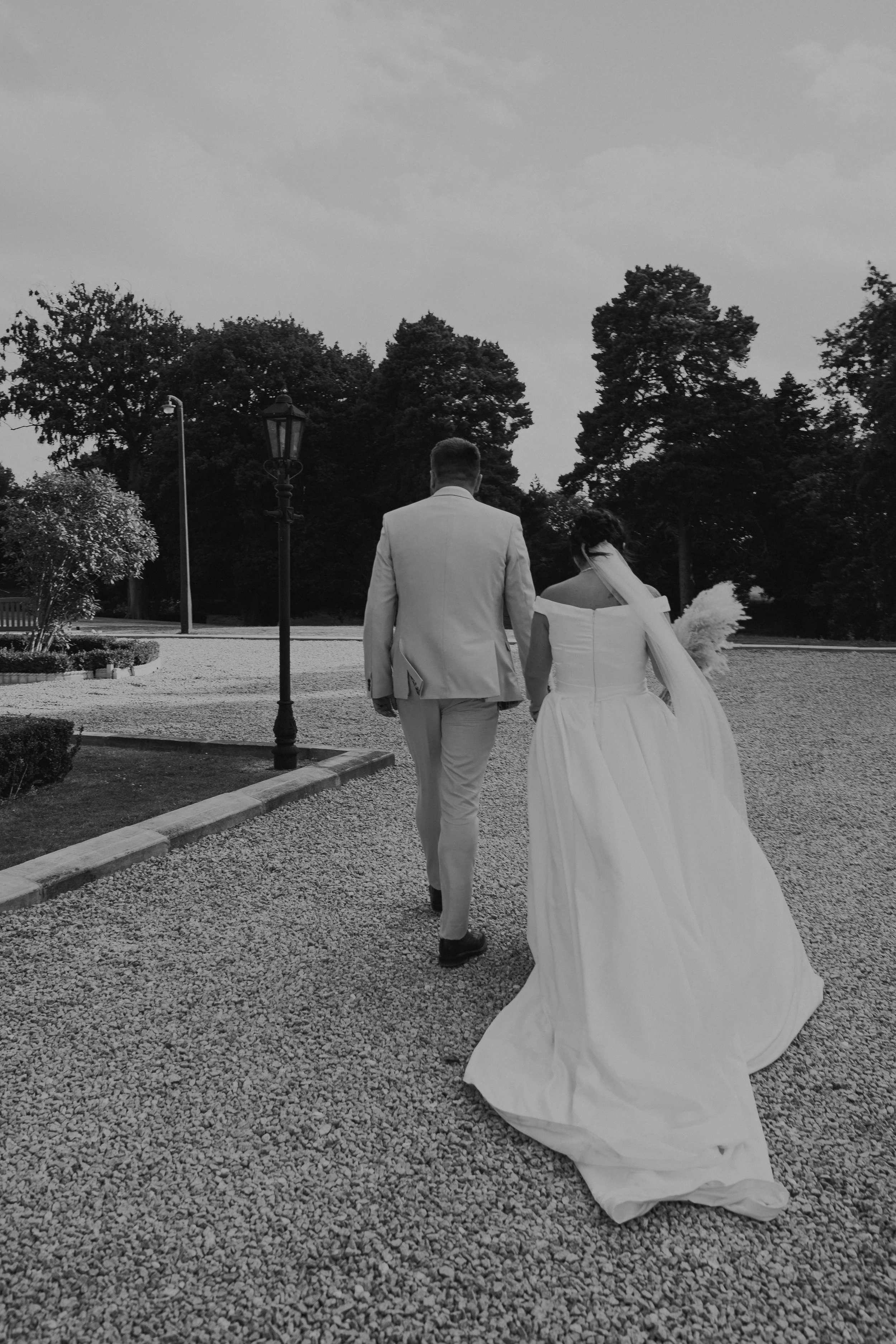
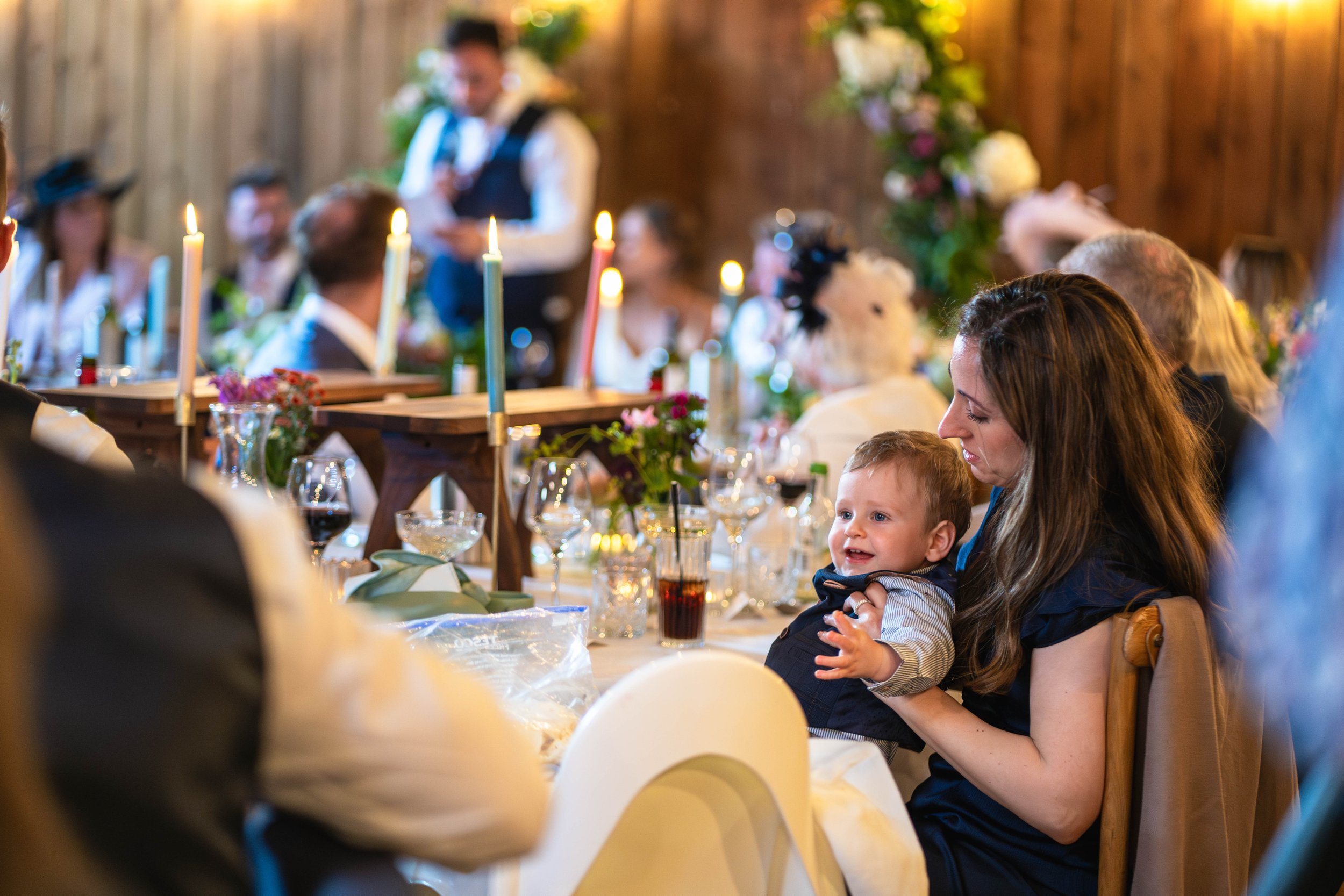
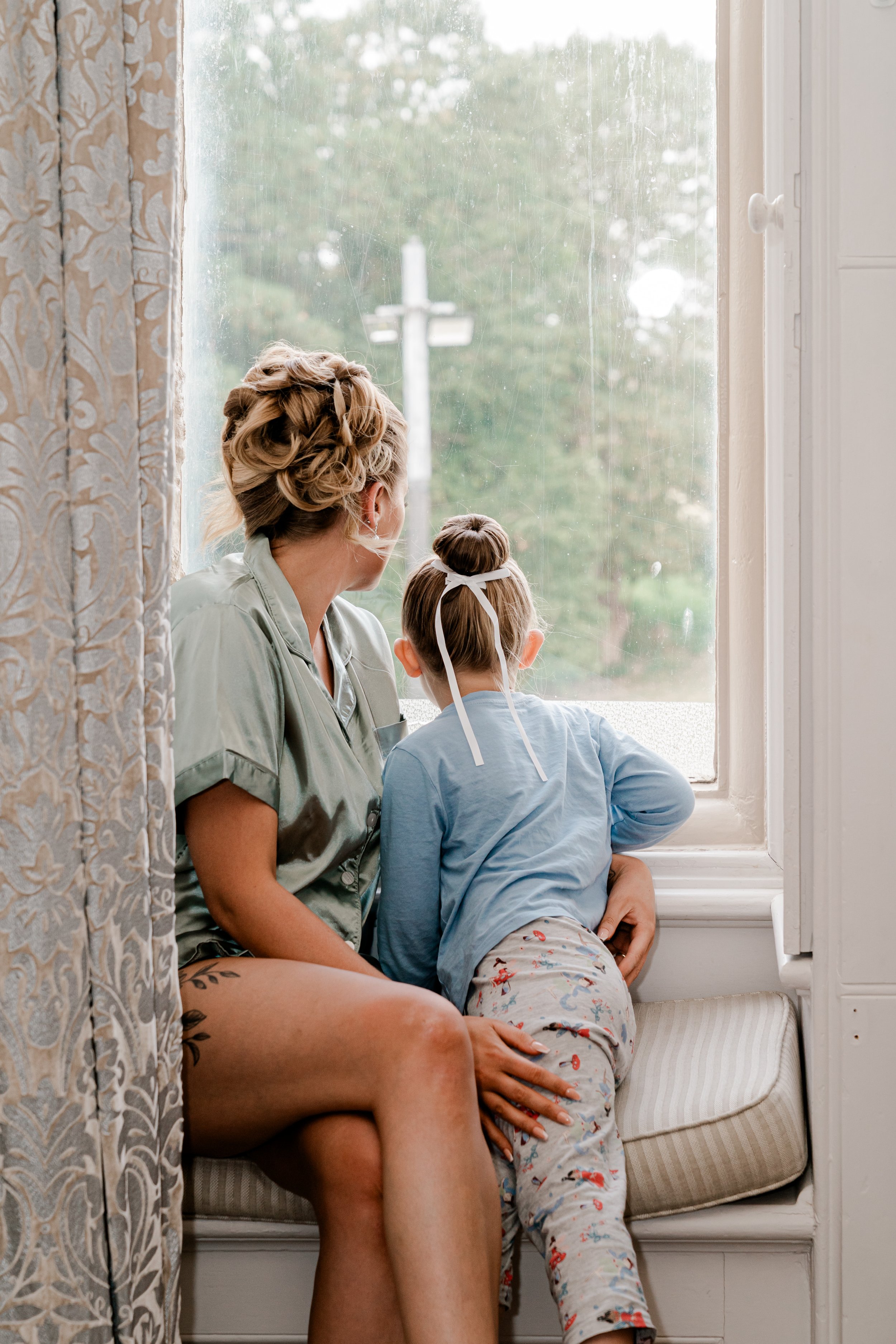
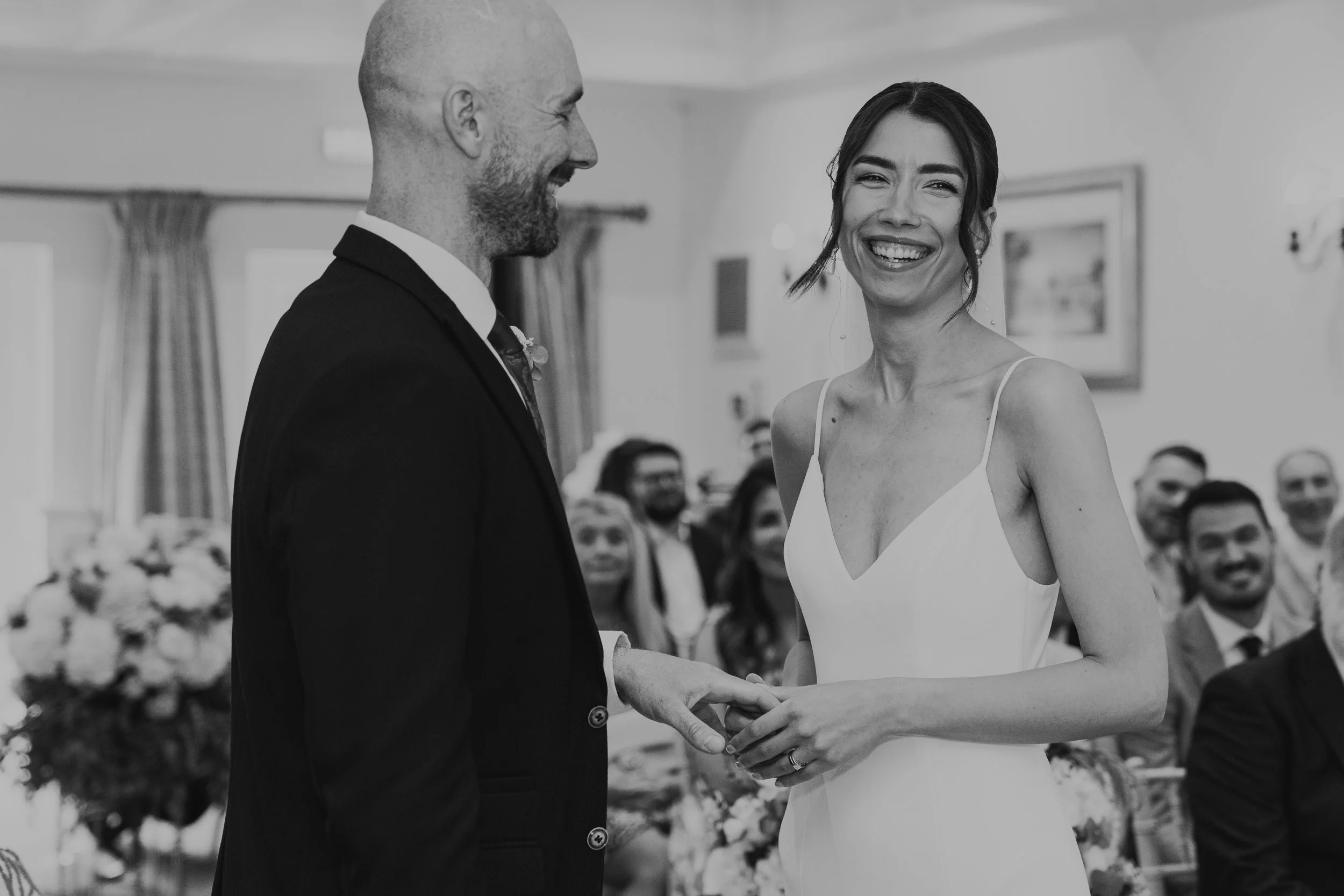
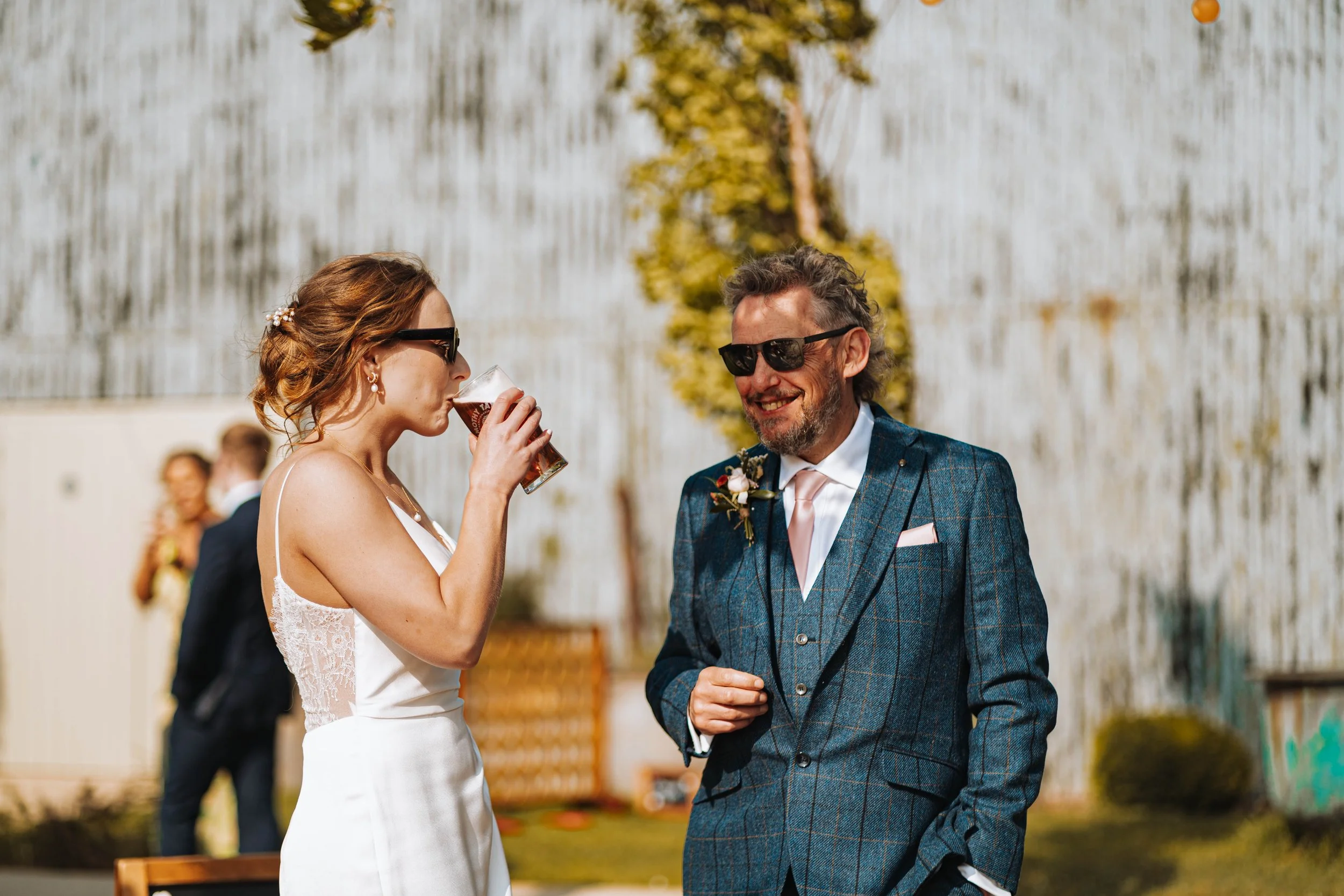
What documentary wedding photography actually means
The term gets used a lot, and not always in the same way. For some photographers, it means mostly candid coverage with a few posed bits. For others, it means a fully hands-off approach all day. In reality, most couples want something in the middle - natural, honest coverage with just enough gentle guidance when it’s useful.
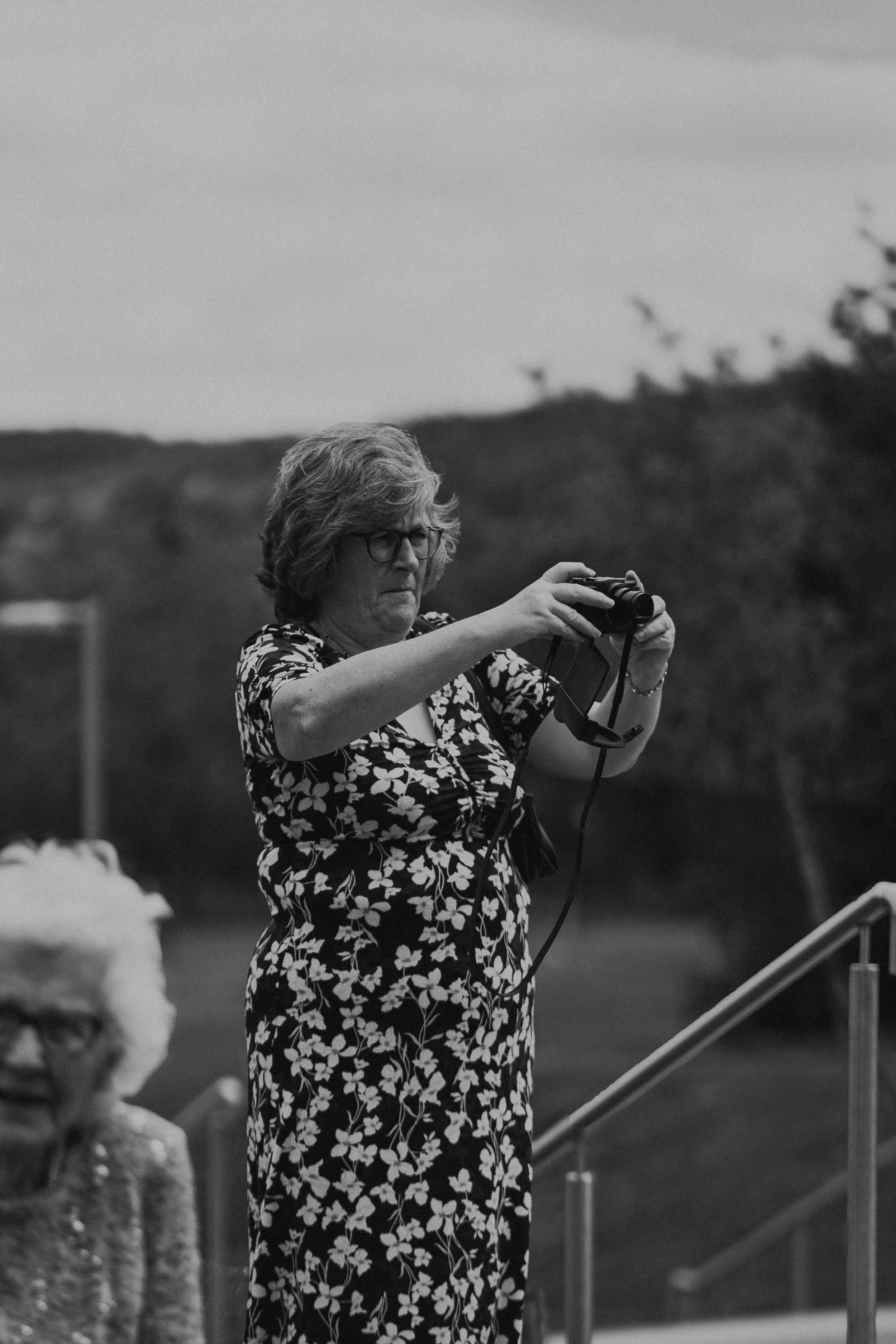
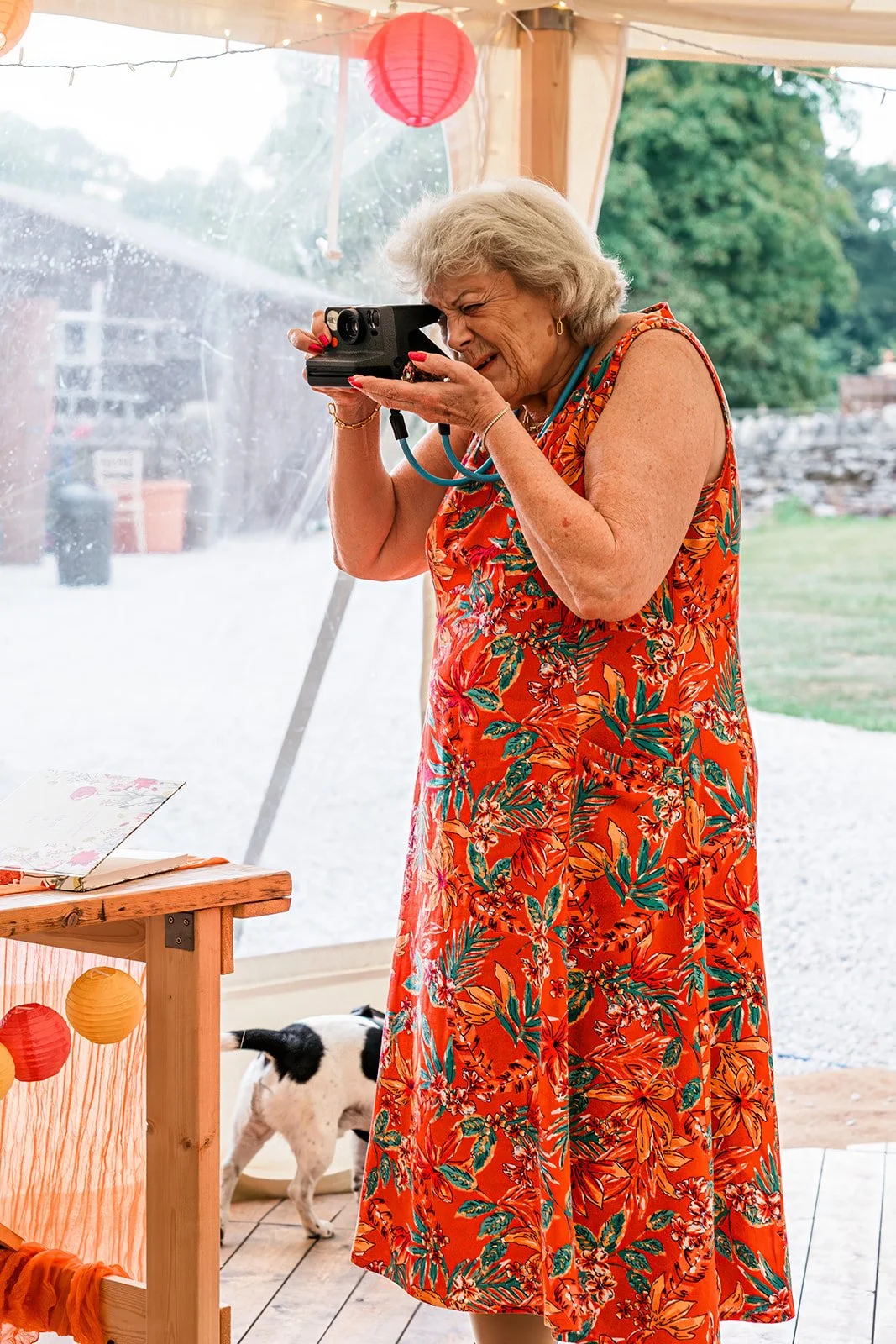
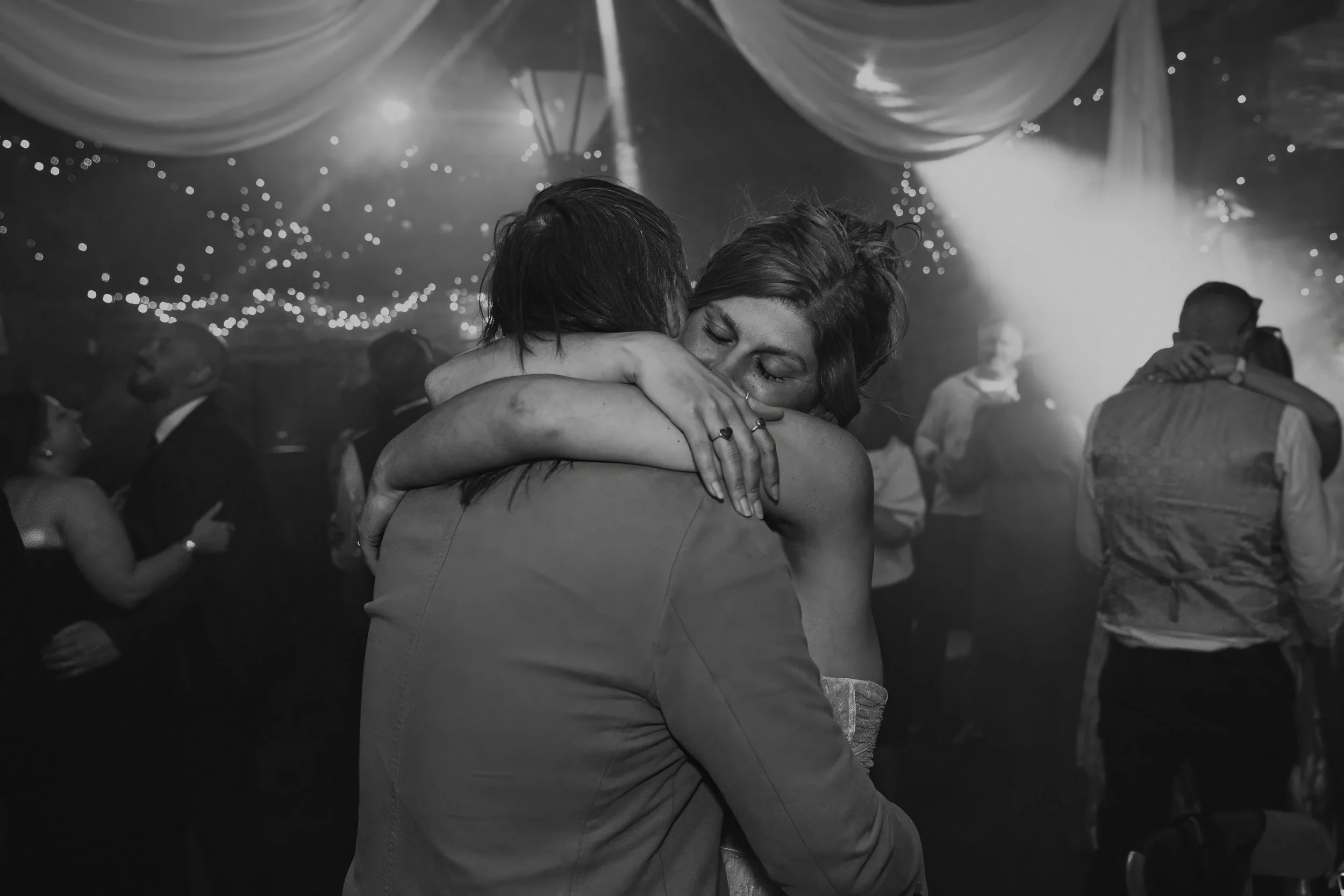
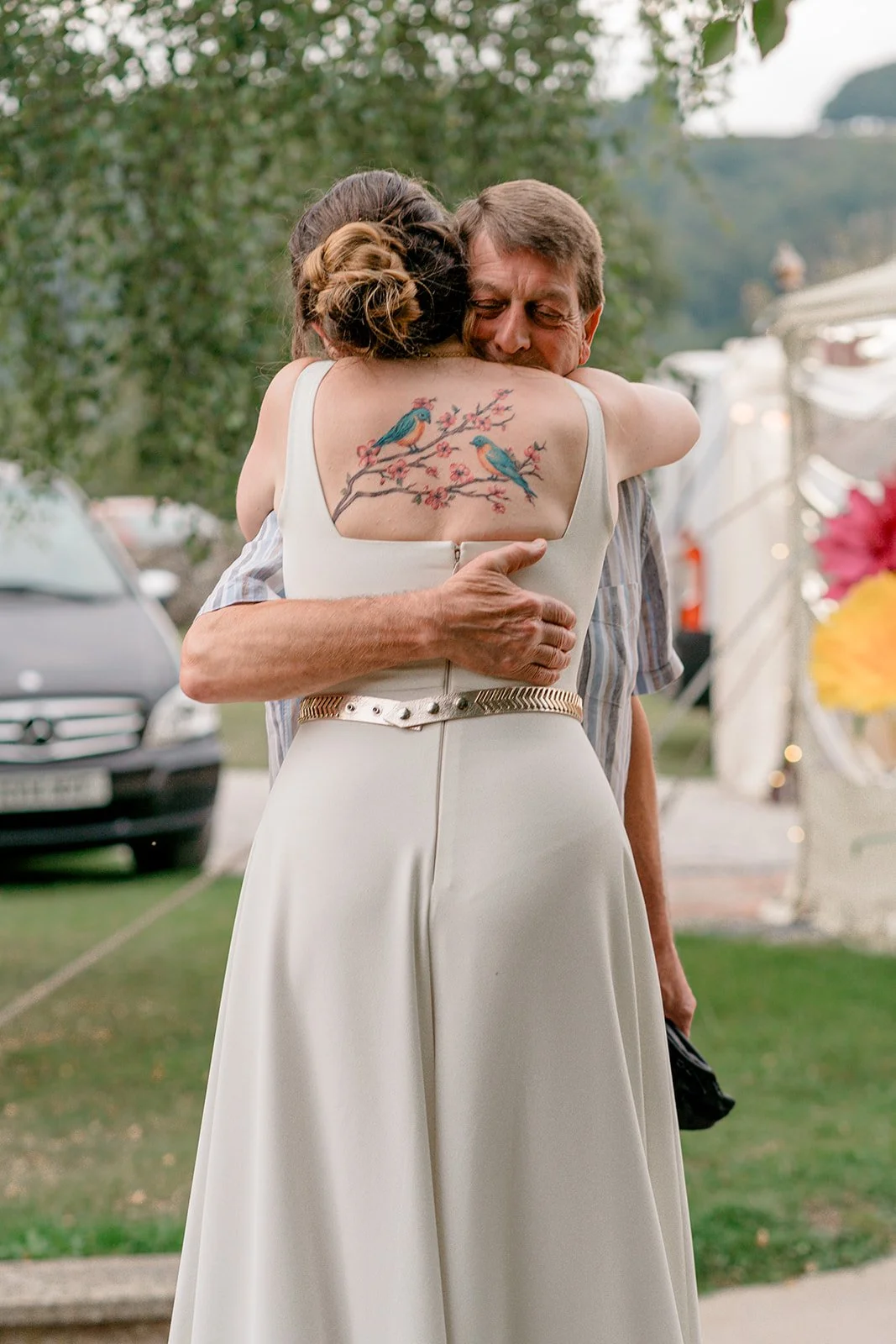
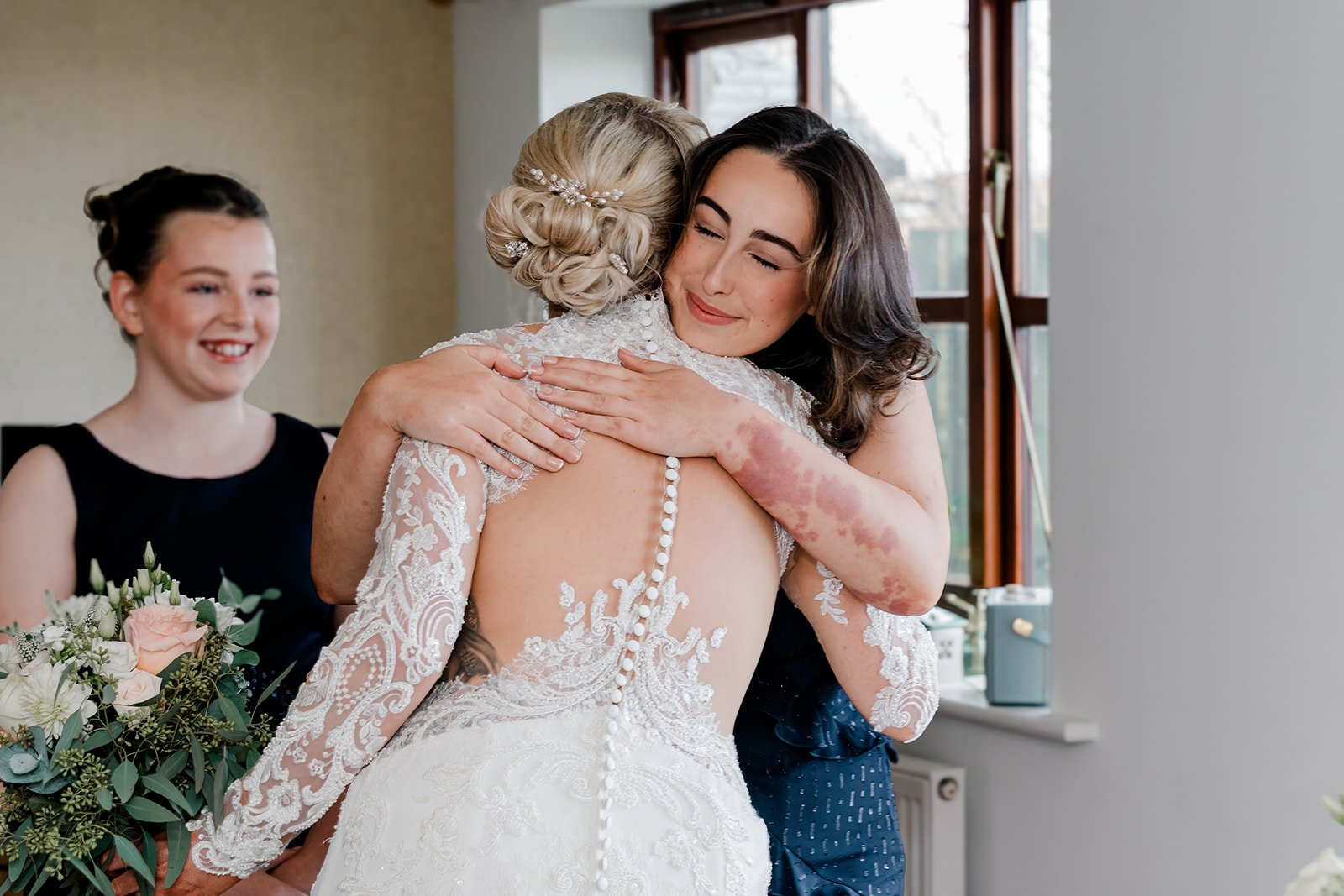
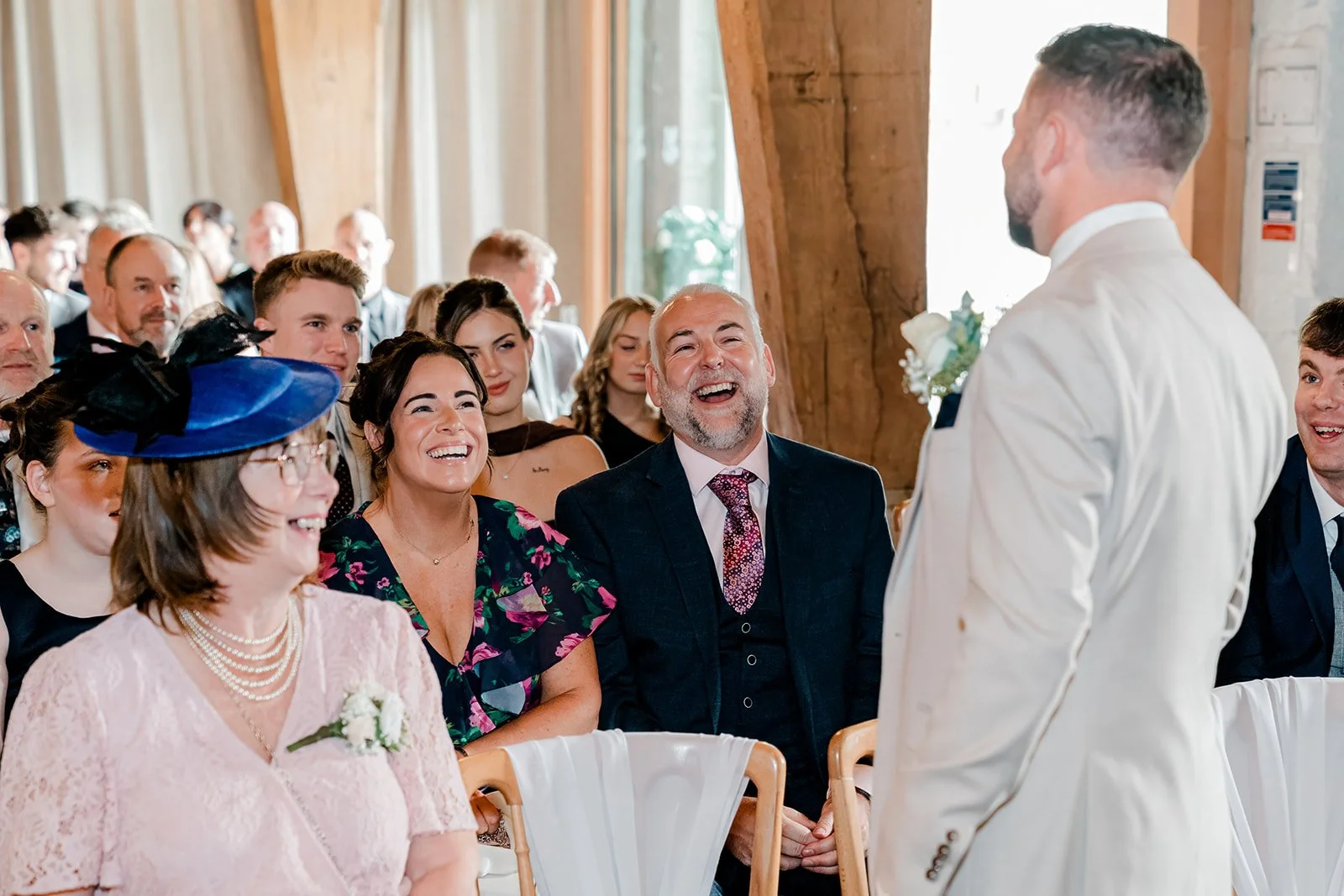
A documentary wedding photographer watches for moments rather than manufacturing them. They pay attention to people, light, atmosphere and timing. They’re looking for the nervous laugh before the ceremony, the hug that lasts a second longer than expected, the chaos of everyone trying to pin buttonholes on at once. It’s storytelling, not stage management.
That doesn’t mean you’ll be abandoned to fend for yourselves in front of the camera. It just means the day won’t feel like one long instruction manual.
Why this style suits so many Yorkshire weddings
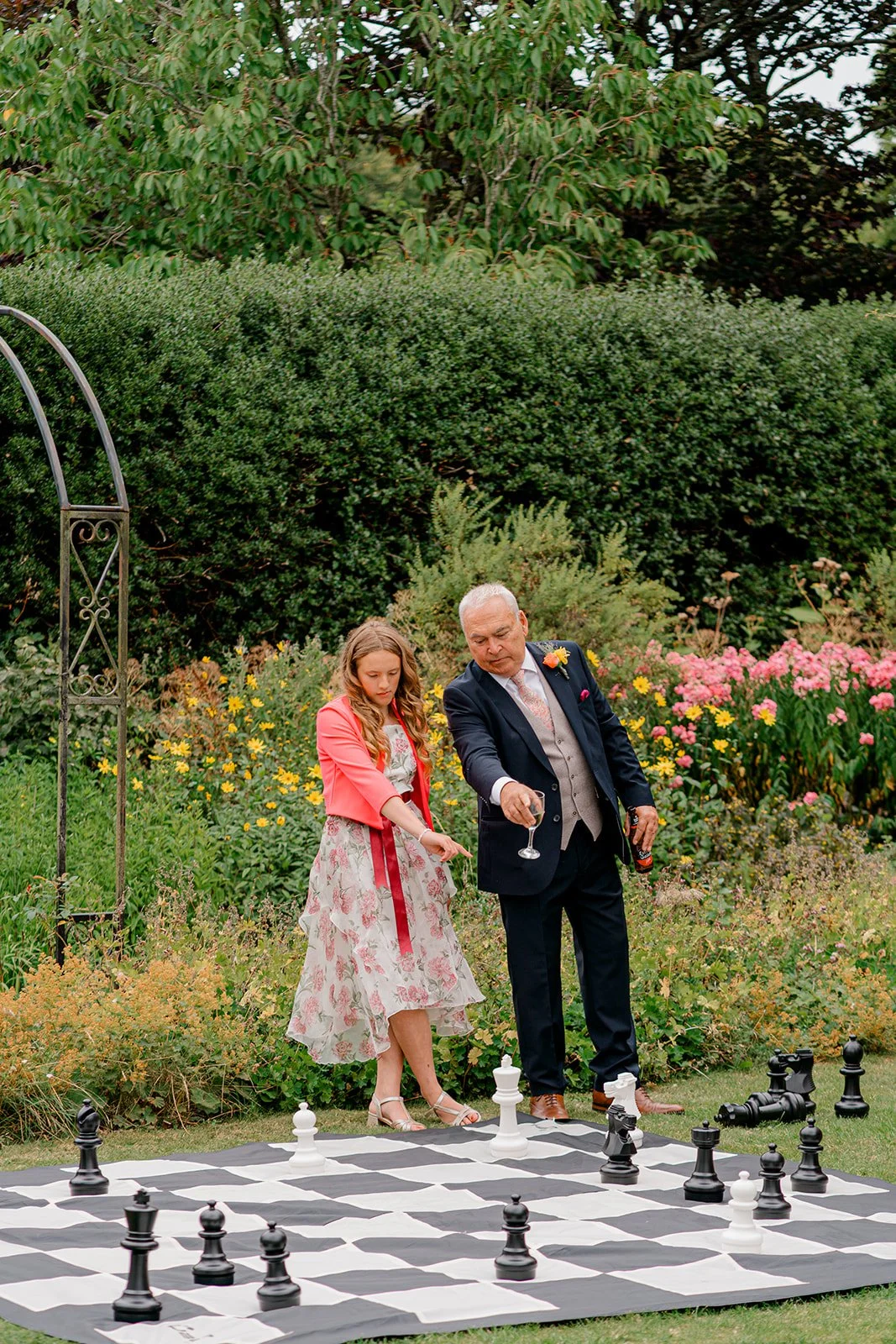
Yorkshire weddings have a lovely habit of feeling both stylish and grounded. One minute you’re in a grand barn with candlelight and long tables, the next you’re outside in muddy shoes with a pint in your hand because the sun appeared for six minutes and everyone panicked. Documentary coverage works beautifully here because it leaves room for all of it.
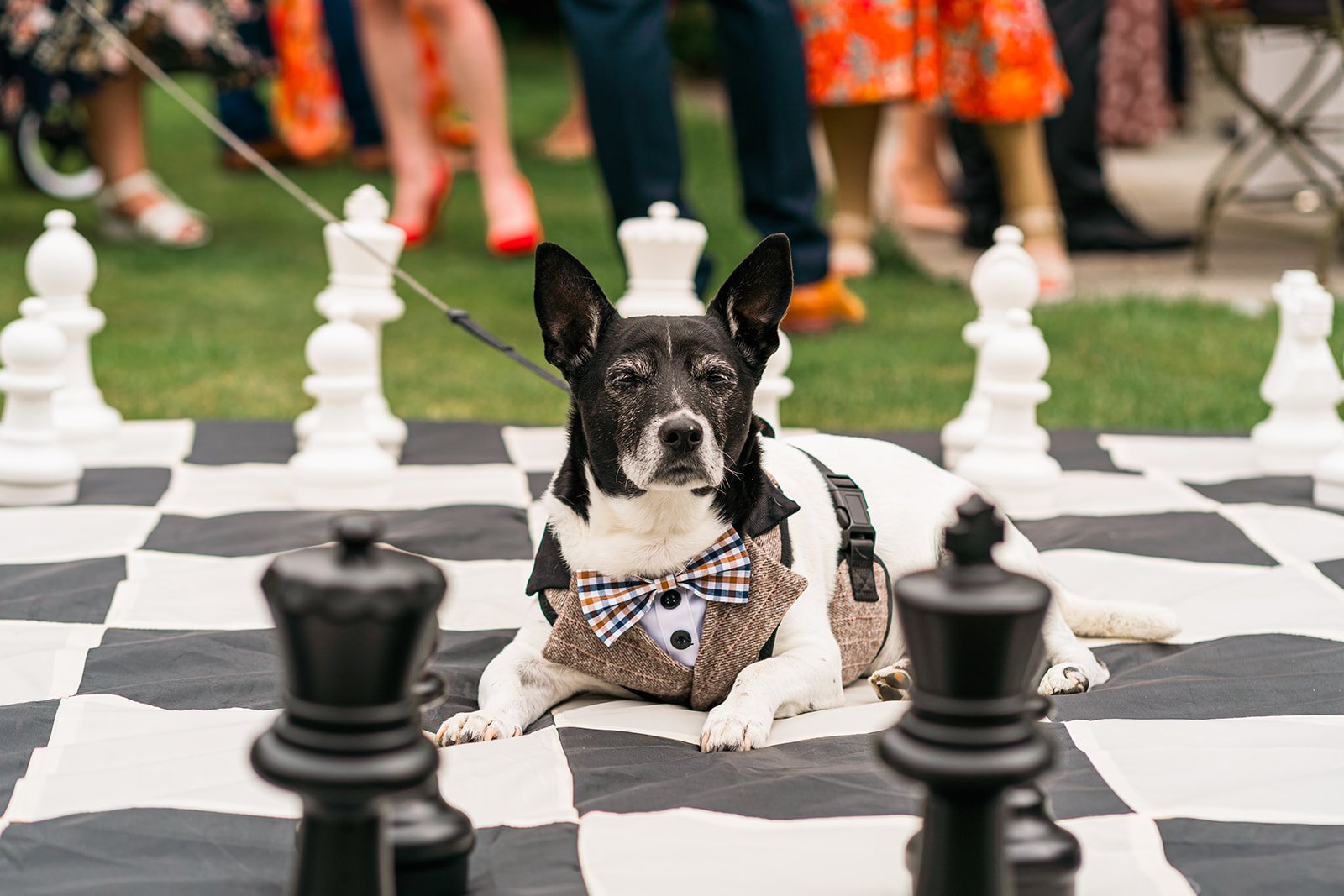
Whether you’re getting married in the Dales, on the moors, in a city venue in Leeds or York, or in a family garden where the dog is absolutely attending whether invited or not, the day will have its own rhythm. Documentary photography respects that rhythm. It doesn’t try to flatten every wedding into the same set of poses and Pinterest moments.
It also suits couples who care more about how the day felt than how perfectly everyone stood. If you’re camera-shy, a bit allergic to fuss, or simply want to spend your wedding with your people rather than with your photographer, this approach makes a lot of sense.
A documentary wedding photographer in Yorkshire should help you relax
This matters more than couples often realise.
You can have beautiful venues, good light and excellent flowers, but if you feel awkward with your photographer, it shows. The best documentary photographers are unobtrusive, yes, but they’re also calming to have around. They know when to blend in and when to step in gently. They can read a room, move quietly and keep things easy.
That’s especially important during the parts of the day that can feel loaded - getting ready, walking into the ceremony, those few minutes just after you’re married when everything hits at once. A good photographer won’t add pressure. They’ll lower it.
That doesn’t happen by accident. It usually comes from experience, decent communication before the wedding and a personality that fits the kind of day you want. If someone’s work is lovely but the thought of spending ten hours with them makes you tense, that’s worth listening to.
What your gallery should feel like afterwards
A strong documentary gallery won’t just show what happened. It should bring you back to it.
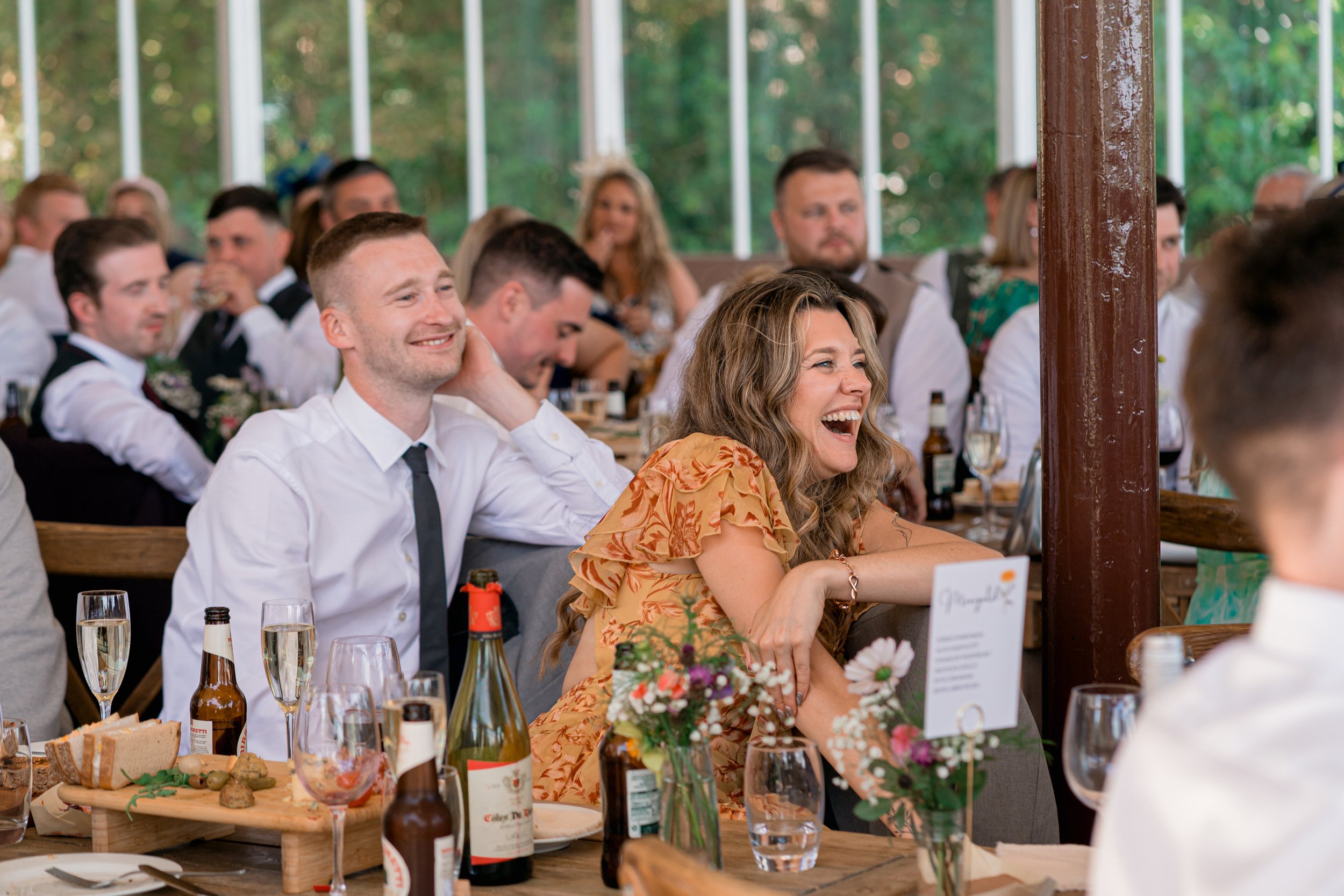
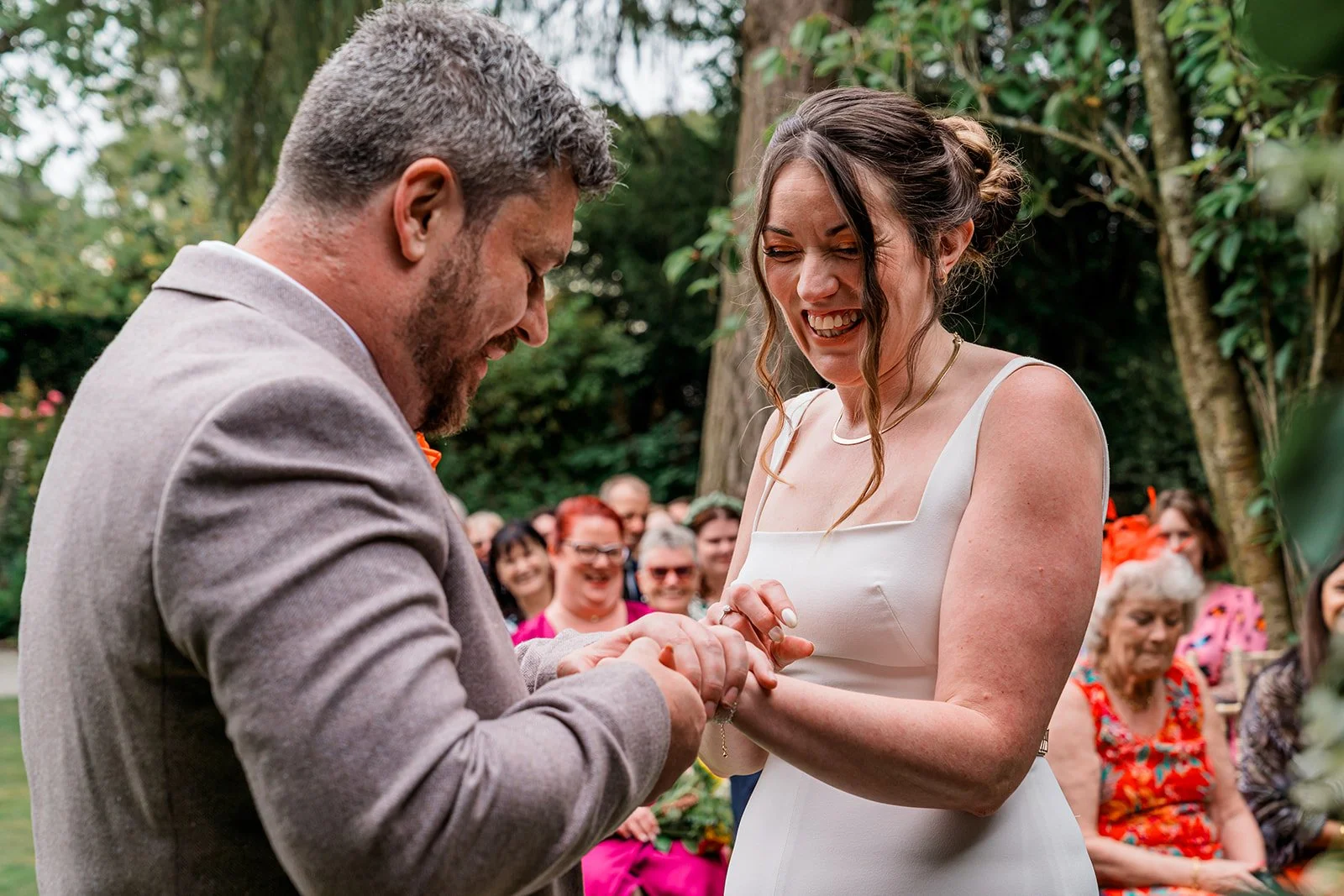
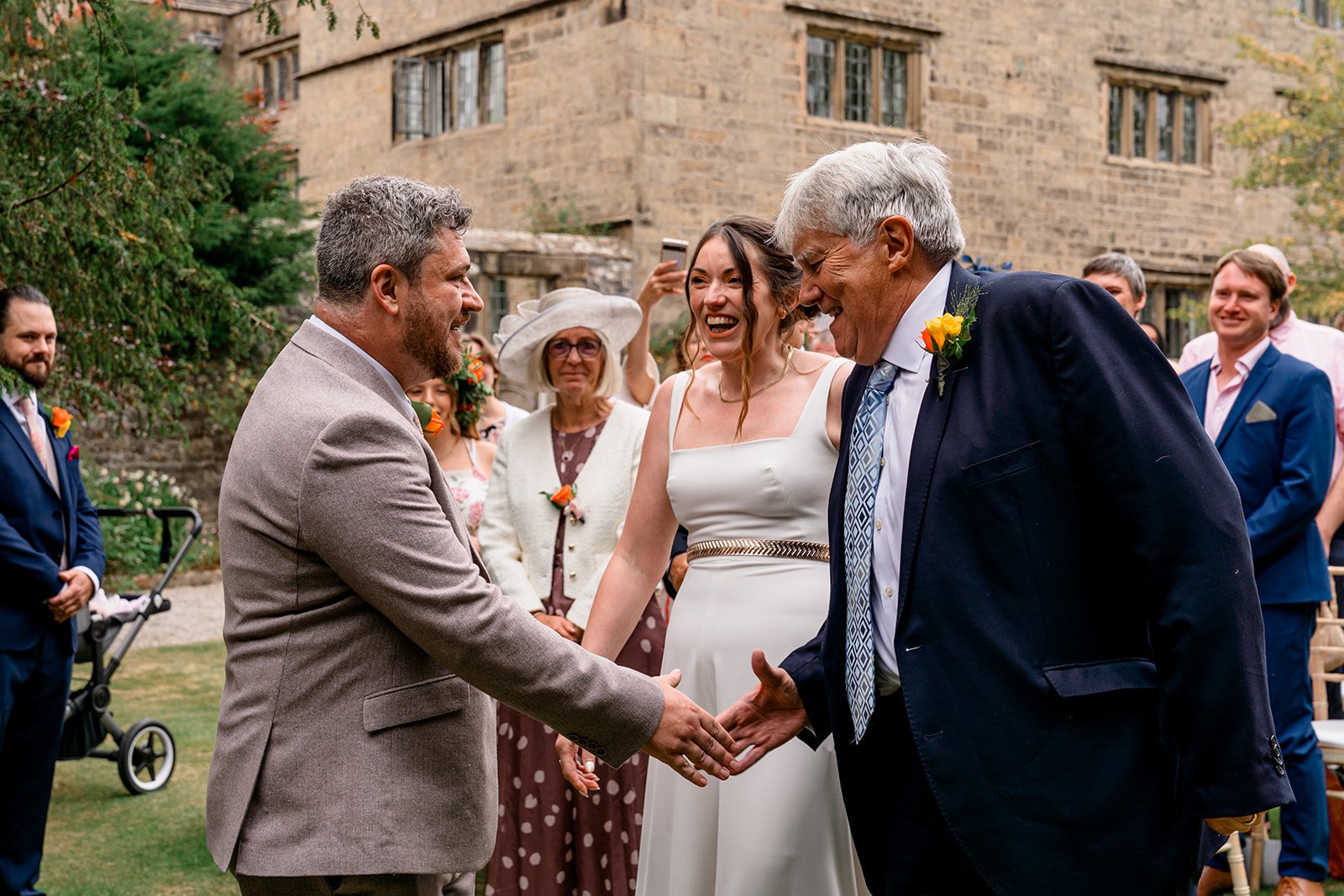
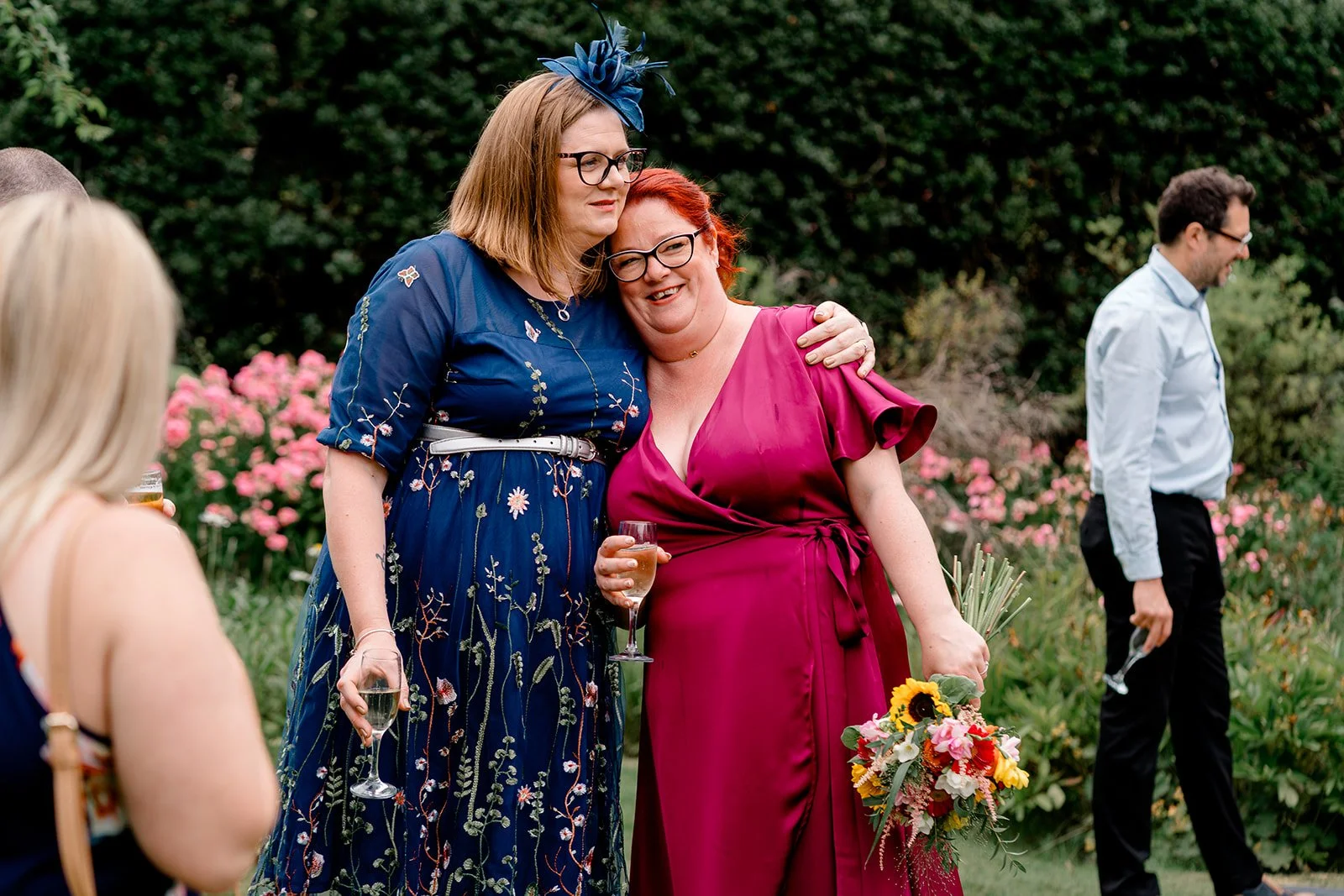
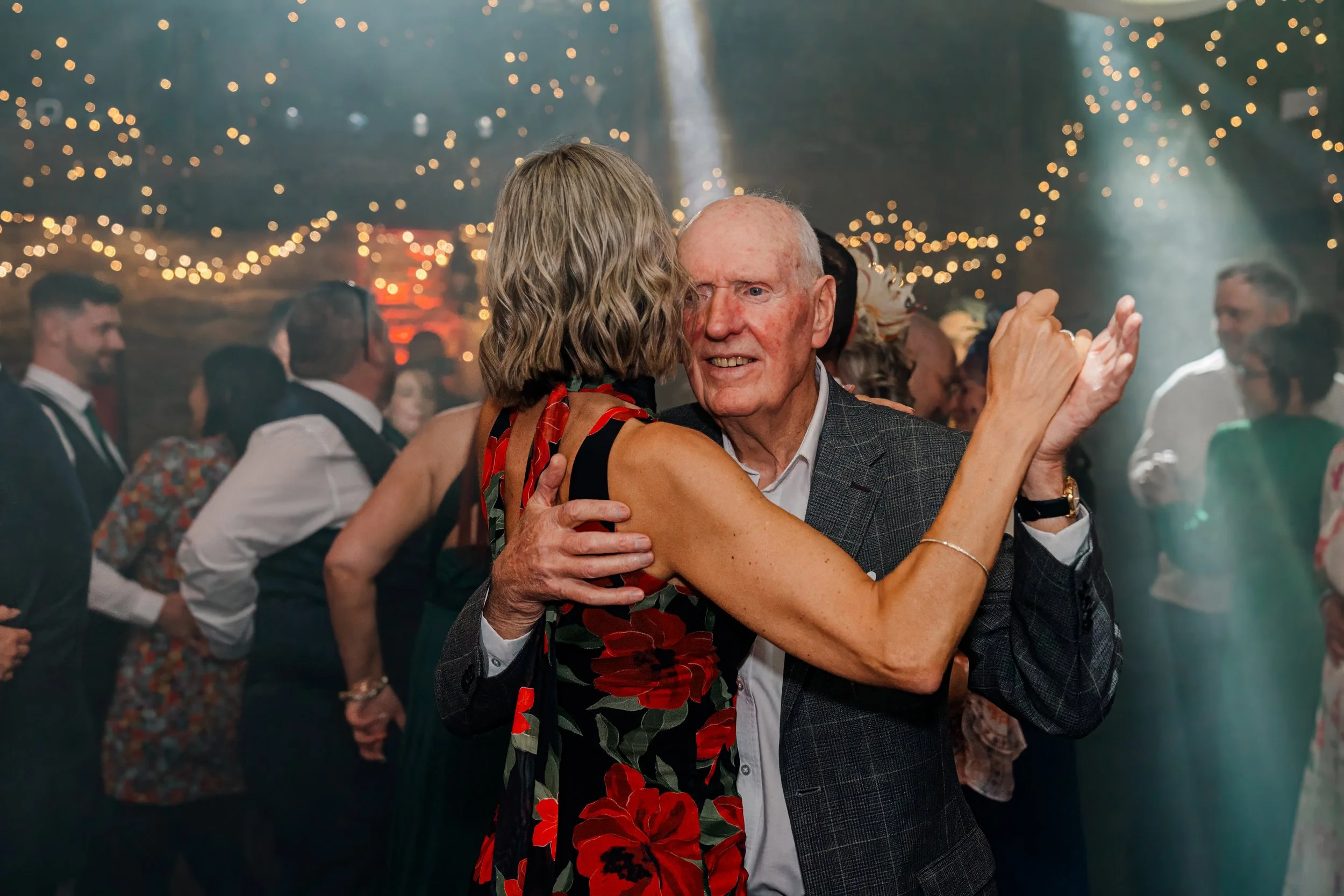
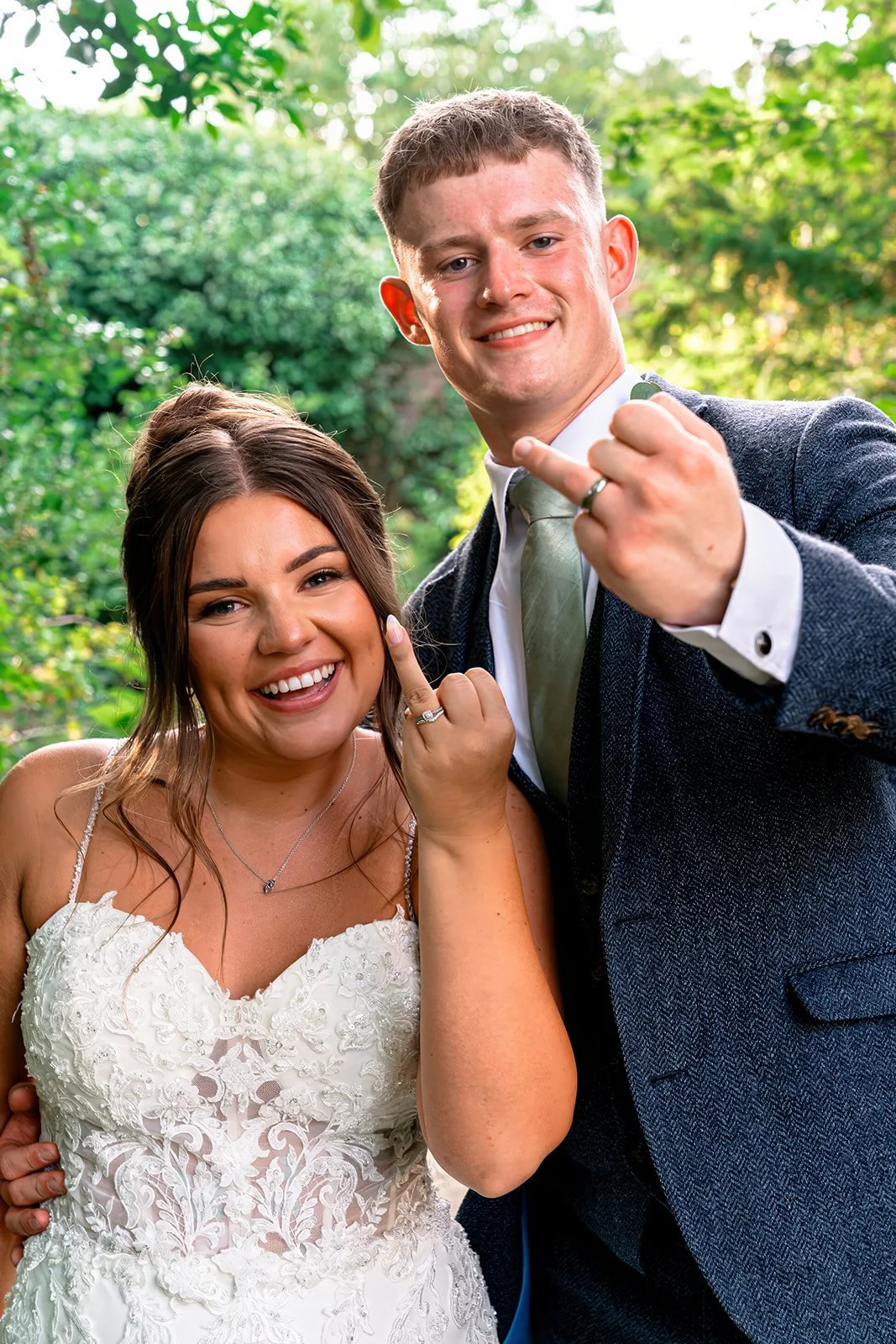
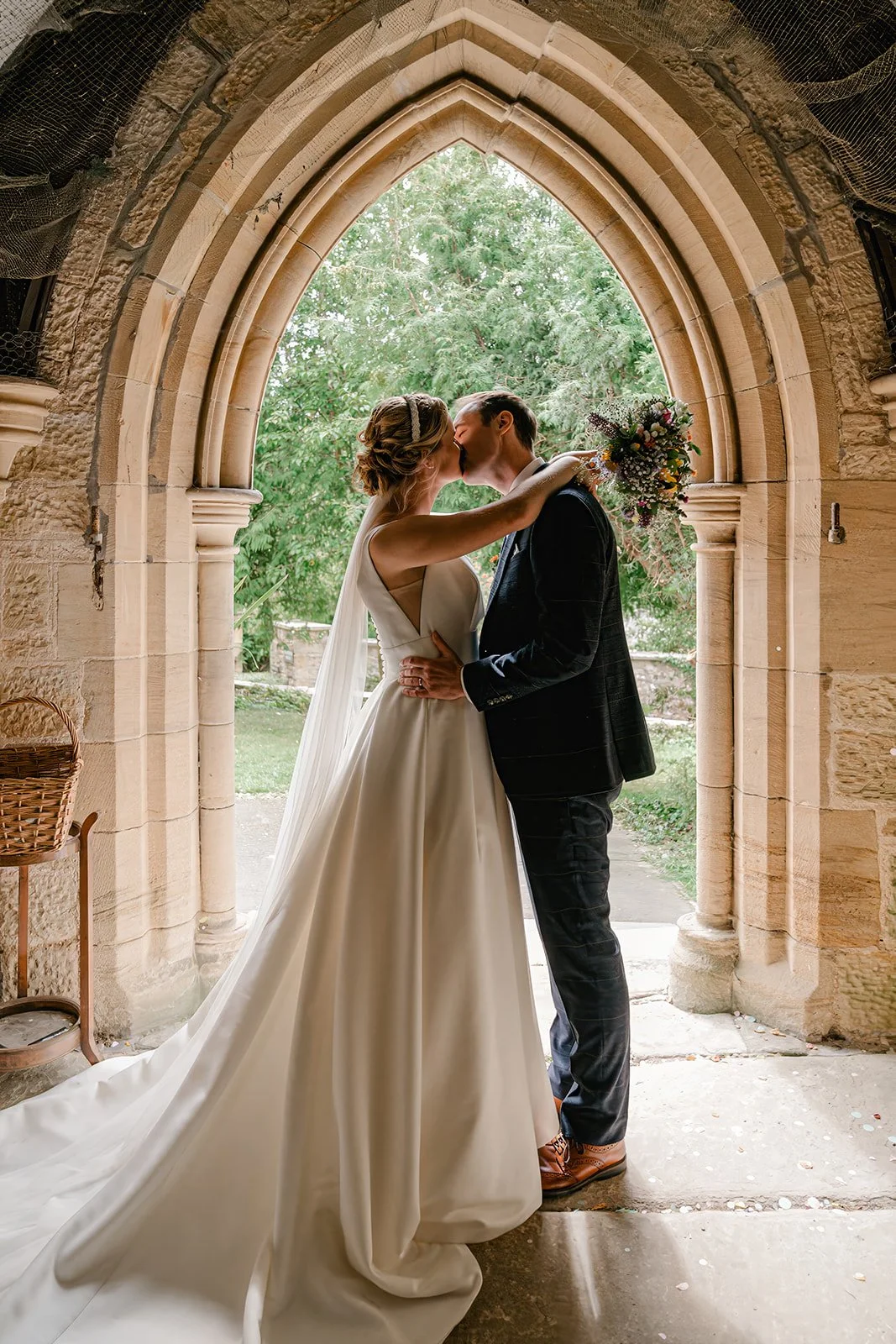
You should see the bigger picture, of course - the ceremony, the speeches, the confetti, the dance floor. But you should also see the tiny things you missed because you were busy living the day. Your dad straightening his jacket before seeing you. Your friends collapsing into laughter at the back of the room. The way your partner looked at you when no one else noticed.
That’s one of the best things about this style. It gives you access to your own wedding from angles you never got to witness.
The editing matters too. Documentary photography still needs intention. You want a gallery that feels cohesive, polished and true to the atmosphere of the day, not something overworked or trend-led. Good editing supports the story. It shouldn’t distract from it.
But do you still get group photos and portraits?
Usually, yes - if you want them.
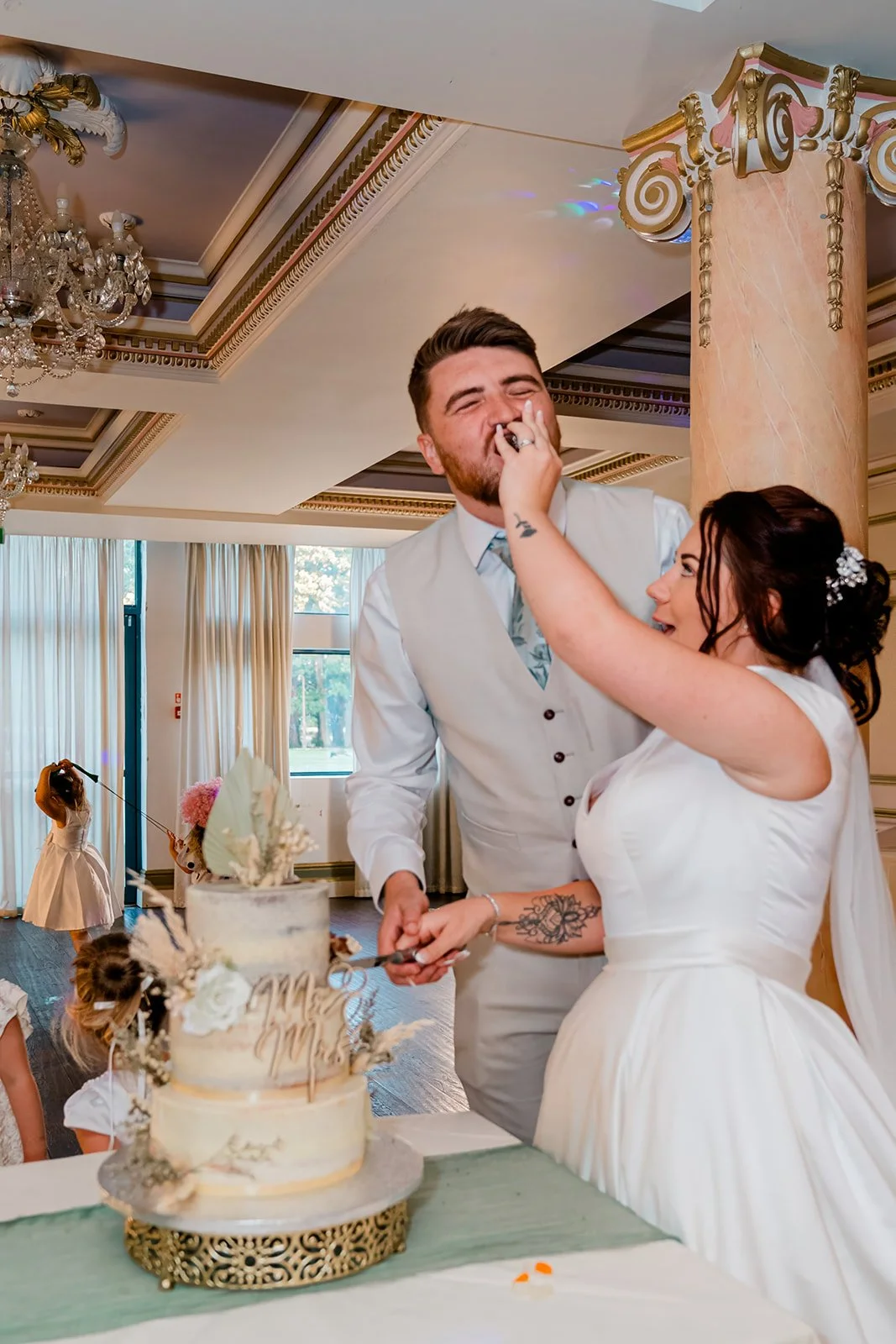
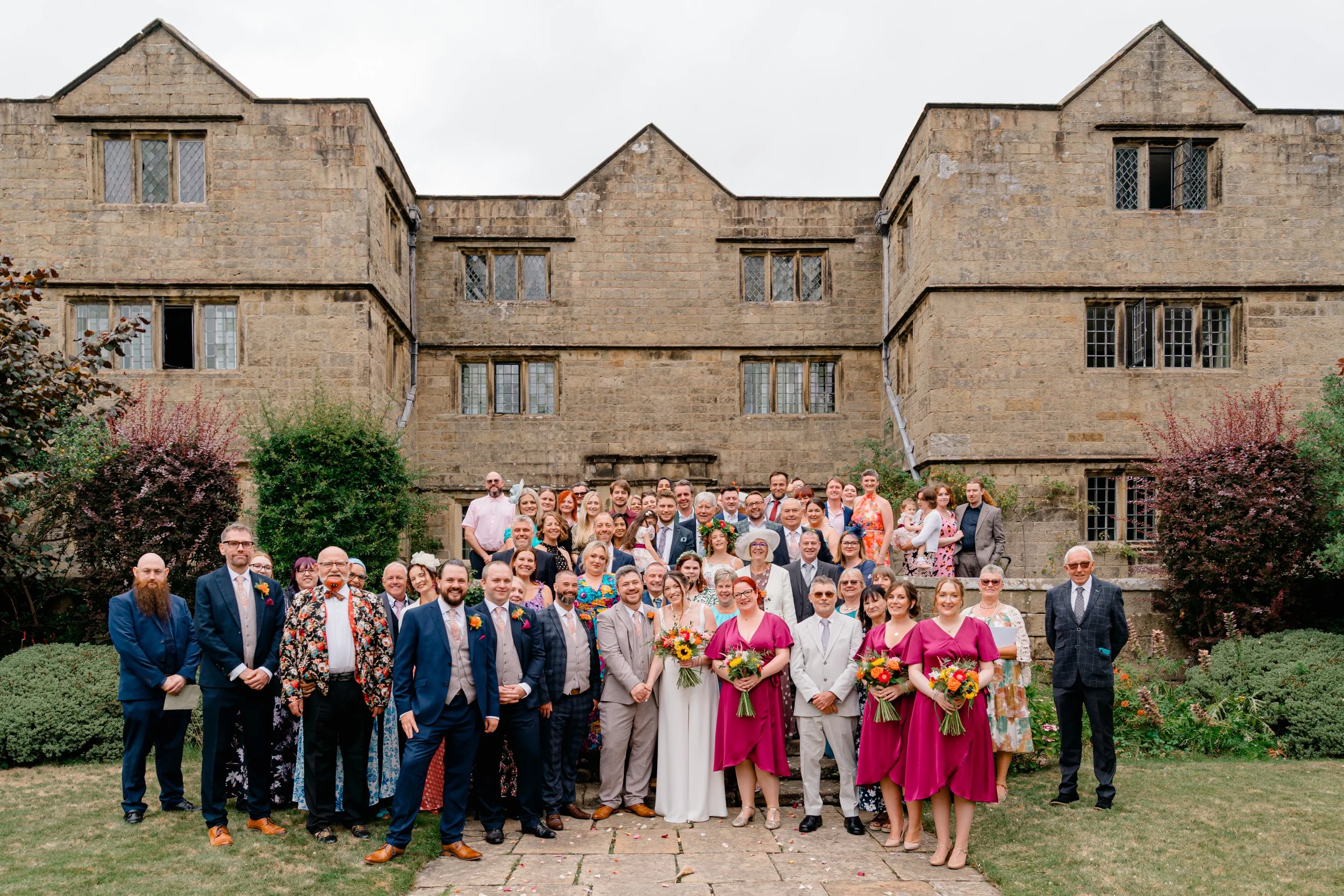
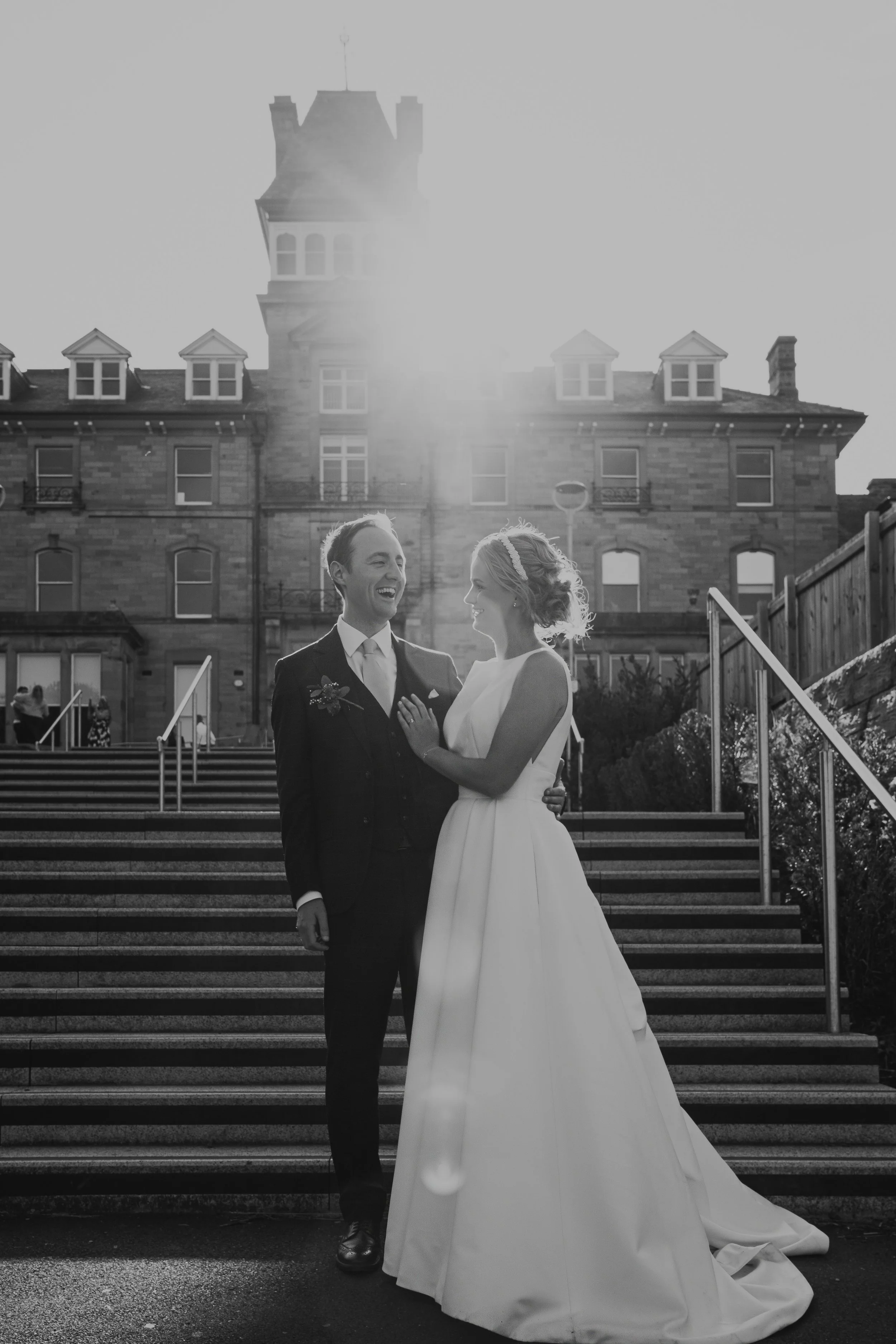
This is where the trade-offs matter. Documentary doesn’t have to mean anti-family-photo or anti-portrait. Most couples still want a handful of group shots with the people who matter most, and a short pocket of time together for relaxed portraits. The difference is that these bits don’t have to take over the day.
A sensible approach is to keep group photos efficient and keep portraits natural. No endless line-up. No turning your wedding into a modelling audition. Just enough structure to make sure you have the important photos, without losing an hour and your will to live.
If you genuinely want no posed photos at all, that can work too. But it’s worth thinking ahead. Some images become more valuable with time, especially family combinations that rarely happen. The sweet spot for many couples is mostly documentary coverage, with a small dose of direction where it’s useful.
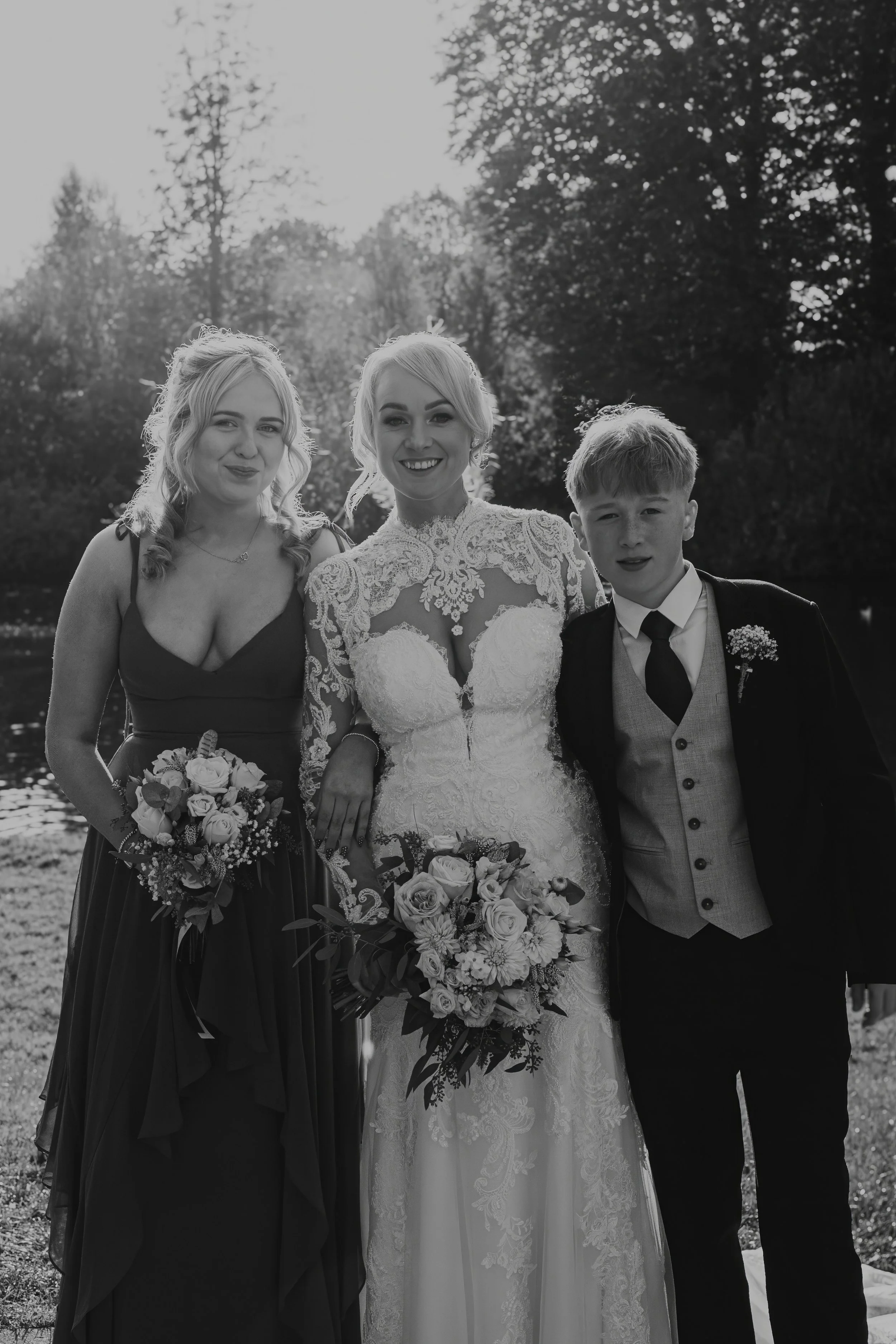
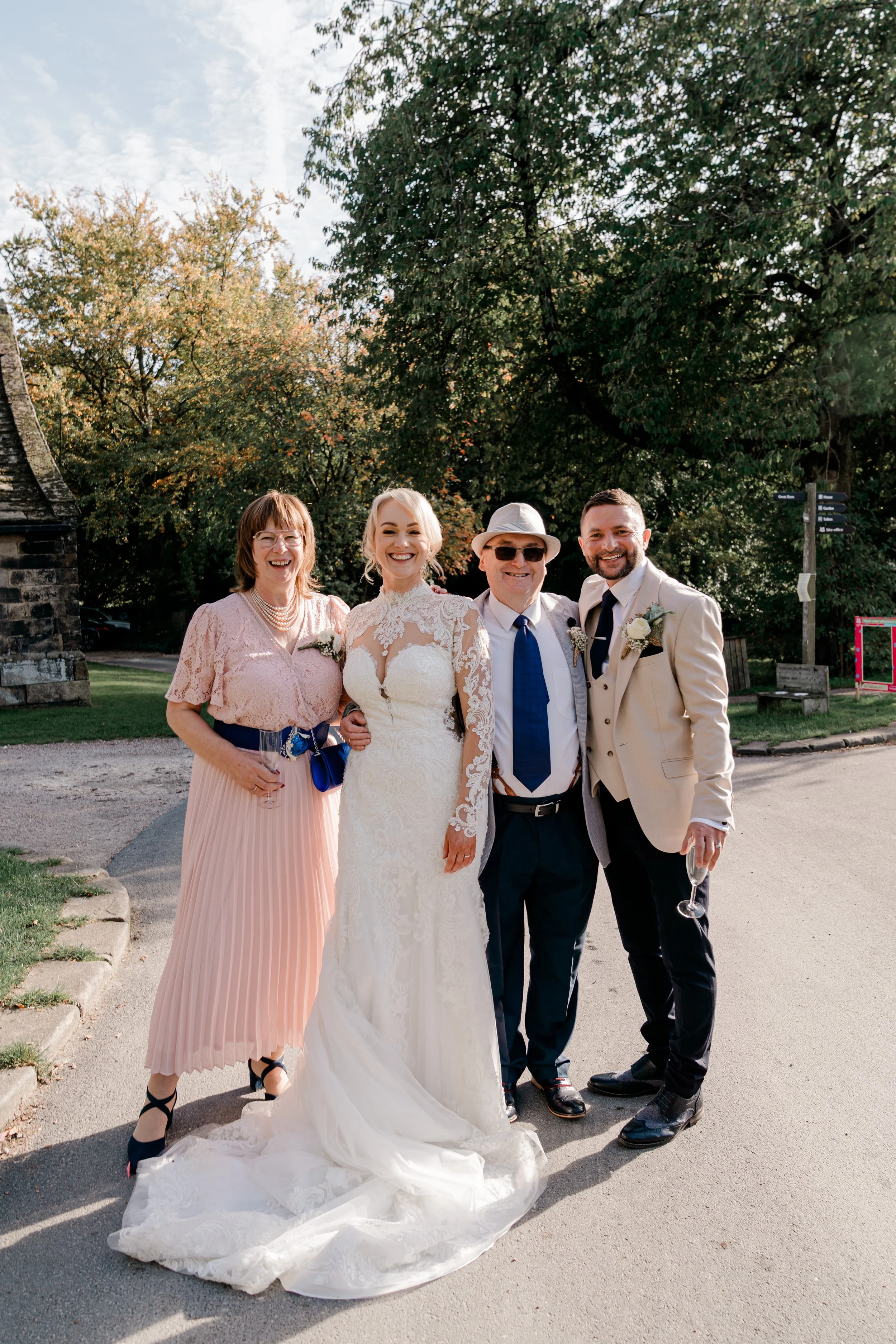
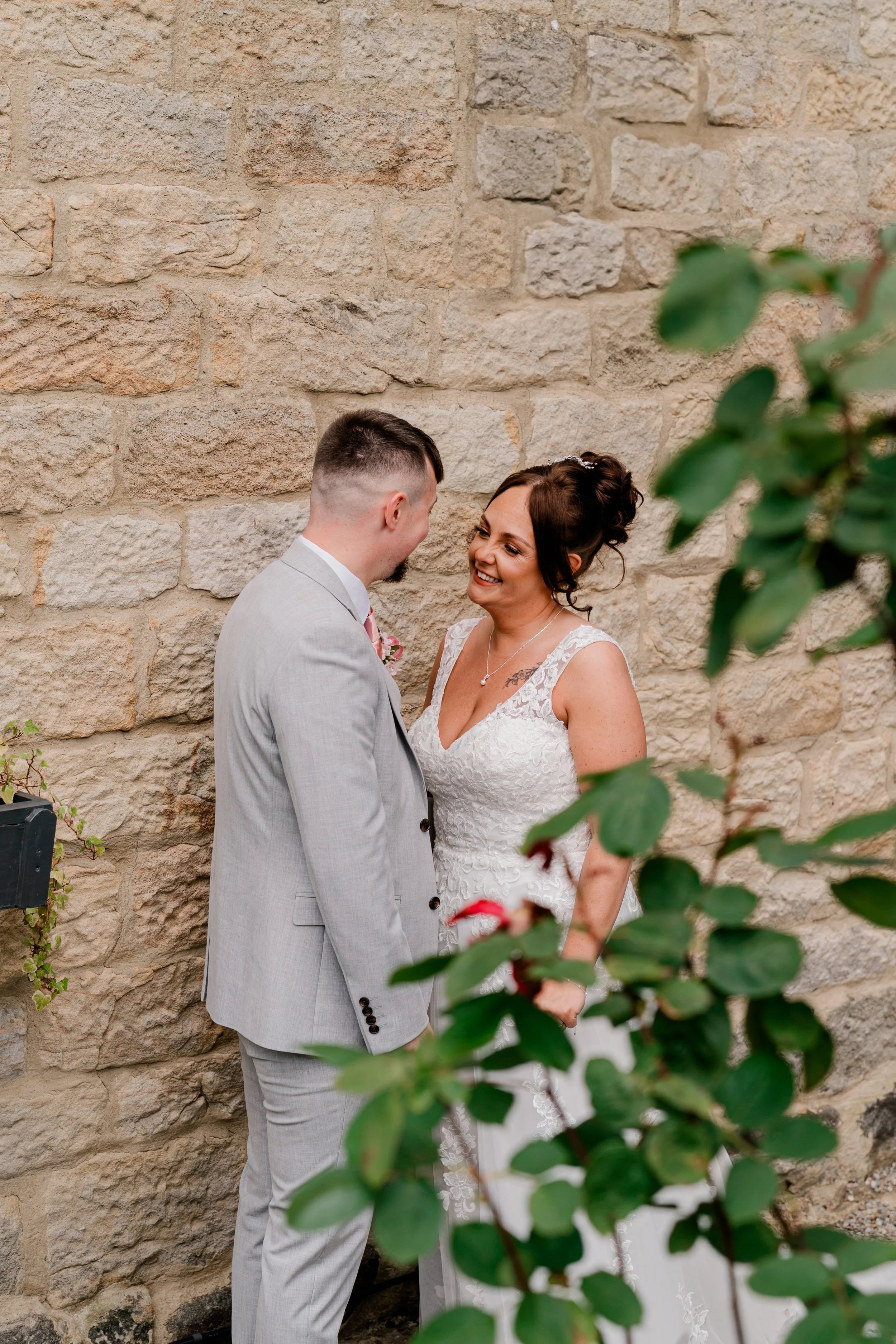
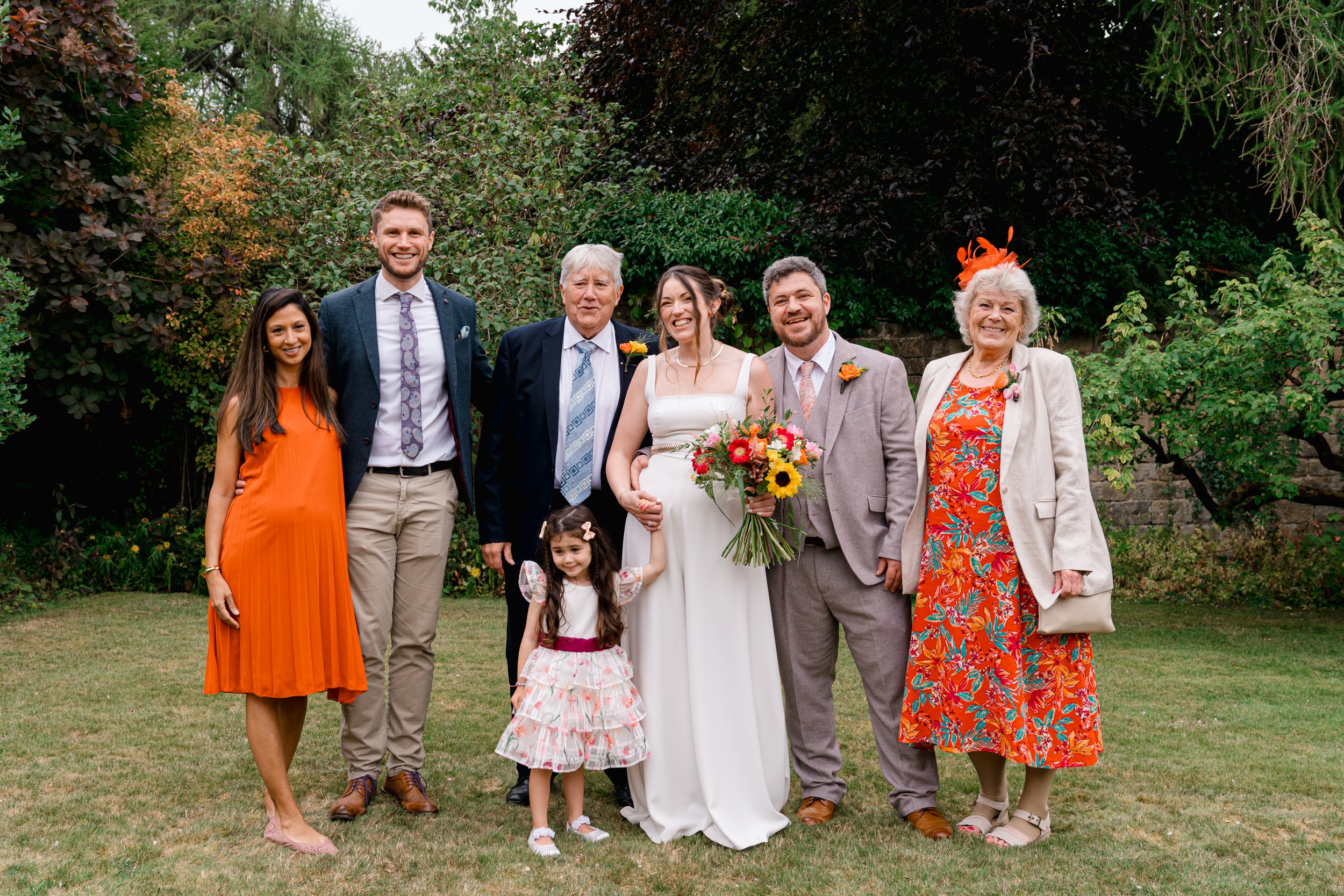
How to choose the right documentary wedding photographer Yorkshire couples can trust
Start with the galleries, not just the highlights. Anyone can post a few emotional frames from one brilliant wedding. What you want to see is consistency across a full day. Can they handle dark prep rooms, bright confetti exits, fast-moving dance floors and drizzly outdoor portraits without falling apart? Do the photos still feel honest throughout?
Then think about how the work feels. Is it warm? Observational? Calm? Fun? Some documentary photographers lean dramatic and moody. Others are softer and more romantic. Neither is wrong, but one may feel more like you.
Practical details matter as well. Ask about turnaround times, backup systems, insurance, travel and how they work on the day. Fast previews are a joy after the wedding, not a gimmick. Clear timelines and reliable communication are just as important as a nice Instagram grid.
And then there’s the human bit. Have a proper chat. You want someone who understands the atmosphere you’re trying to create and who can slot into it naturally. If you want a relaxed day, hire someone who feels relaxed. If you want gentle reassurance rather than bossy energy, choose that.
Why unobtrusive doesn’t mean invisible
This is one of the most misunderstood parts of documentary coverage.
An unobtrusive photographer isn’t passive. They’re active in a quieter way. They’re constantly noticing, anticipating and moving with purpose. They know when to stay back and when to get close. They can sense when a moment is about to happen and be there before it unfolds.
That level of awareness is skill, not luck. It’s also why experience counts. Weddings move quickly, light changes fast, and people do unpredictable things all day long. A documentary photographer has to think on their feet while making it all look effortless.
That’s especially handy in Yorkshire, where weather likes to keep everyone humble. If the rain arrives sideways, the schedule shifts, or the outdoor plan goes gloriously off-piste, you want someone who stays calm and keeps seeing opportunities. Some of the best photos happen when the day stops behaving.
The right fit is about more than style
You’re not only hiring a person to take pictures. You’re choosing someone who will be near you during some very personal moments.
That’s why trust matters so much. You need to feel that they’ll handle family dynamics kindly, adapt when timings wobble, and never make you feel like you’re performing. You also want to know they’ll deliver what they promised, when they promised it.
A good documentary photographer combines softness with structure. They’ll make space for emotion, but they’ll also have the professional bits sorted - contracts, planning, backups, travel, timing, all of it. Warm and organised is a very good combination on a wedding day.
For couples who want real, story-led coverage without the awkwardness, that balance is exactly the point. It’s part of why businesses like mine resonate with couples who want the day documented honestly but still handled properly.
If you want your photos to feel like memories, not a production
Documentary wedding photography isn’t about rejecting beauty. It’s about finding it where it already exists.
In the movement. In the nerves. In the laughter that comes out wonky. In the windswept hair, muddy hems, tight hugs and slightly chaotic dance floor decisions. The things that make a wedding real are usually the things worth keeping.
If that sounds like your kind of day, trust your instinct. Choose the photographer who helps you feel at ease, who sees the little moments, and who understands that the best wedding photos don’t just show how it looked - they remind you how it felt.