How Wedding Photographers Stay Unobtrusive
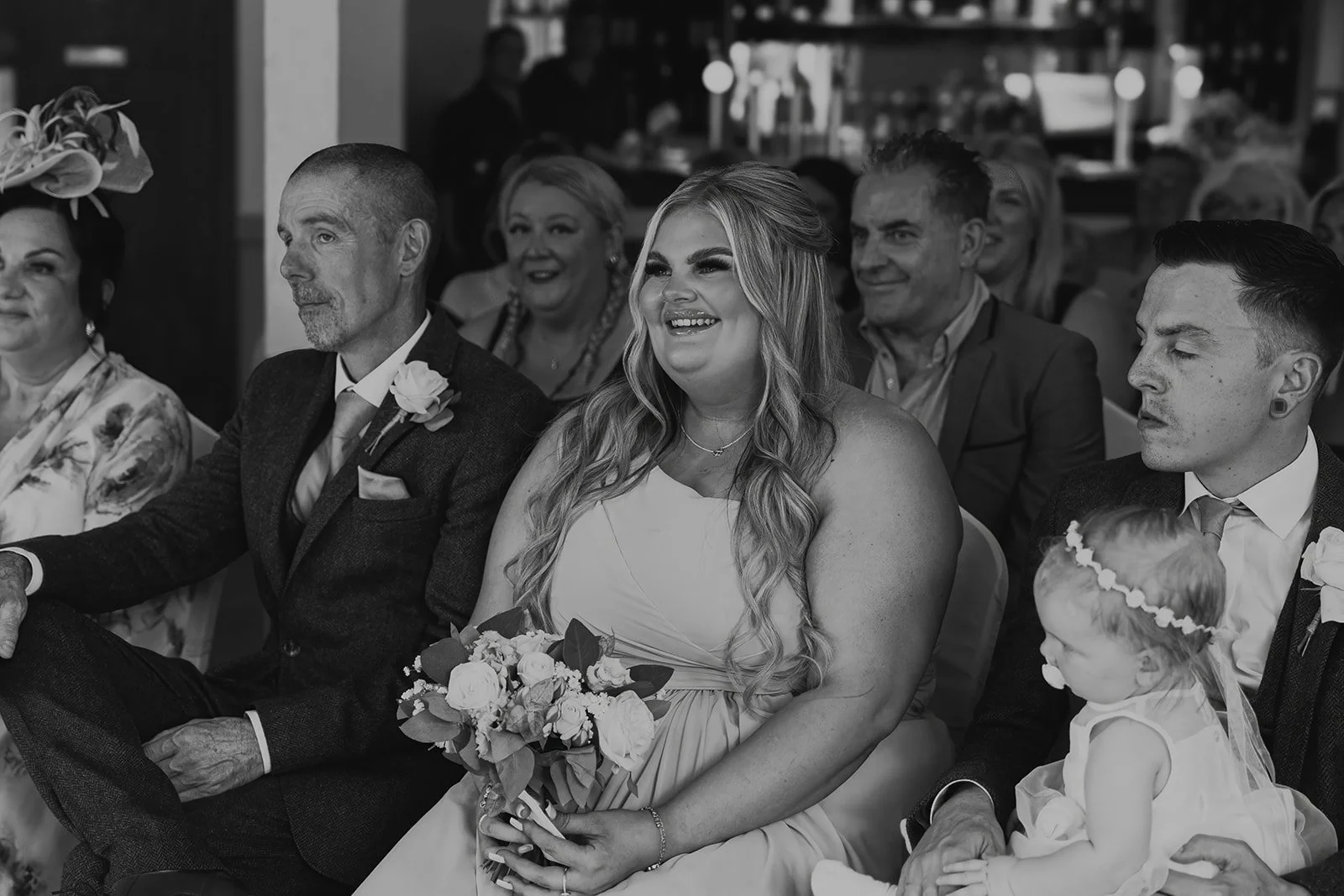
There’s a moment at nearly every wedding when people stop noticing the camera. Nan is mid-laugh, your mates are doing something daft near the bar, and you’re squeezing your partner’s hand without thinking about where to put your chin. That’s usually the sweet spot. If you’ve been wondering how wedding photographers stay unobtrusive, the answer is less about magic and more about method, timing, and knowing when to step back.
For couples who don’t fancy spending half the day being arranged like a shop window display, an unobtrusive photographer can be the difference between a wedding that feels lived and one that feels managed. The job is not to dominate the day. It’s to read the room, move quietly through it, and catch the bits that matter before they disappear.
How wedding photographers stay unobtrusive on the day
The biggest part of being unobtrusive starts well before the wedding itself. If a photographer turns up cold, with no sense of your pace, priorities or family dynamics, they’re far more likely to get in the way. Good documentary coverage begins with proper conversations beforehand. Not stiff, clipboard-heavy interrogations, but a clear chat about what matters to you, what you’re nervous about, and which parts of the day need a lighter touch.
That prep means less interrupting later. If your photographer already knows that your dad hates a fuss, your best friend will cry during the speeches, and you’d rather spend cocktail hour with your guests than posing for 47 group shots, they can work around the shape of the day instead of wrestling it into something else.
On the day itself, positioning matters hugely. An unobtrusive photographer doesn’t hover two inches from your face with a lens the size of a traffic cone. They watch for good light, clean backgrounds and natural interaction, then wait for the moment to come to them. Sometimes that means standing back with a longer lens. Sometimes it means quietly slipping into place before anything happens, rather than scrambling in after the fact and drawing attention.
Movement is part of it too. The best photographers tend to move with purpose, not panic. No dramatic sidestepping down the aisle, no clattering through the ceremony like they’re late for a train, and no constant fiddling that makes everyone aware they’re being watched. Calm body language helps people stay relaxed. If the photographer looks settled, everyone else usually follows.
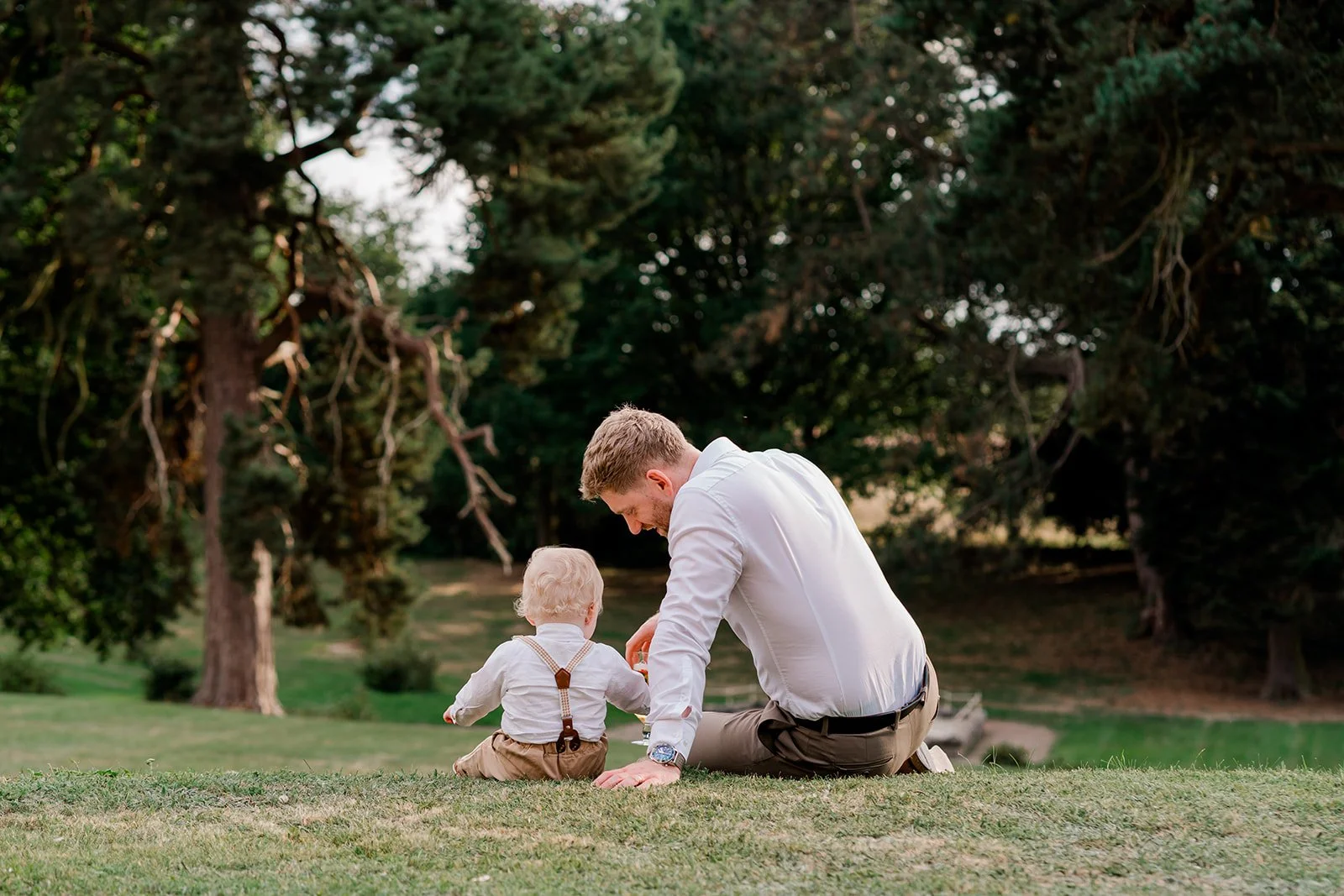
It’s not about being invisible
This bit matters. Unobtrusive doesn’t mean absent, mute, or weirdly hiding behind a pot plant all afternoon. Wedding photographers are still part of the day. They give gentle direction when it’s actually useful, especially during family photos, couple portraits or moments when the timeline needs a nudge.
The trick is knowing when to step in and when to leave things alone. During the ceremony, less is usually more. During confetti, a little guidance can save total chaos. During portraits, a relaxed prompt often works better than formal posing. Something simple like asking you to walk together, have a quiet minute, or chat about where you’re heading on honeymoon gets far more natural photos than barked instructions about elbows and smiles.
So if you’re worried that documentary photography means no help at all, don’t be. A good unobtrusive photographer still leads when needed. They just don’t turn your wedding into a full-day photoshoot.
Gear choices make a difference
A lot of couples assume unobtrusive photography is purely about personality, but kit plays a part. Smaller cameras tend to feel less intrusive than huge setups, and experienced photographers choose lenses based on what lets them work quietly and respectfully in each moment.
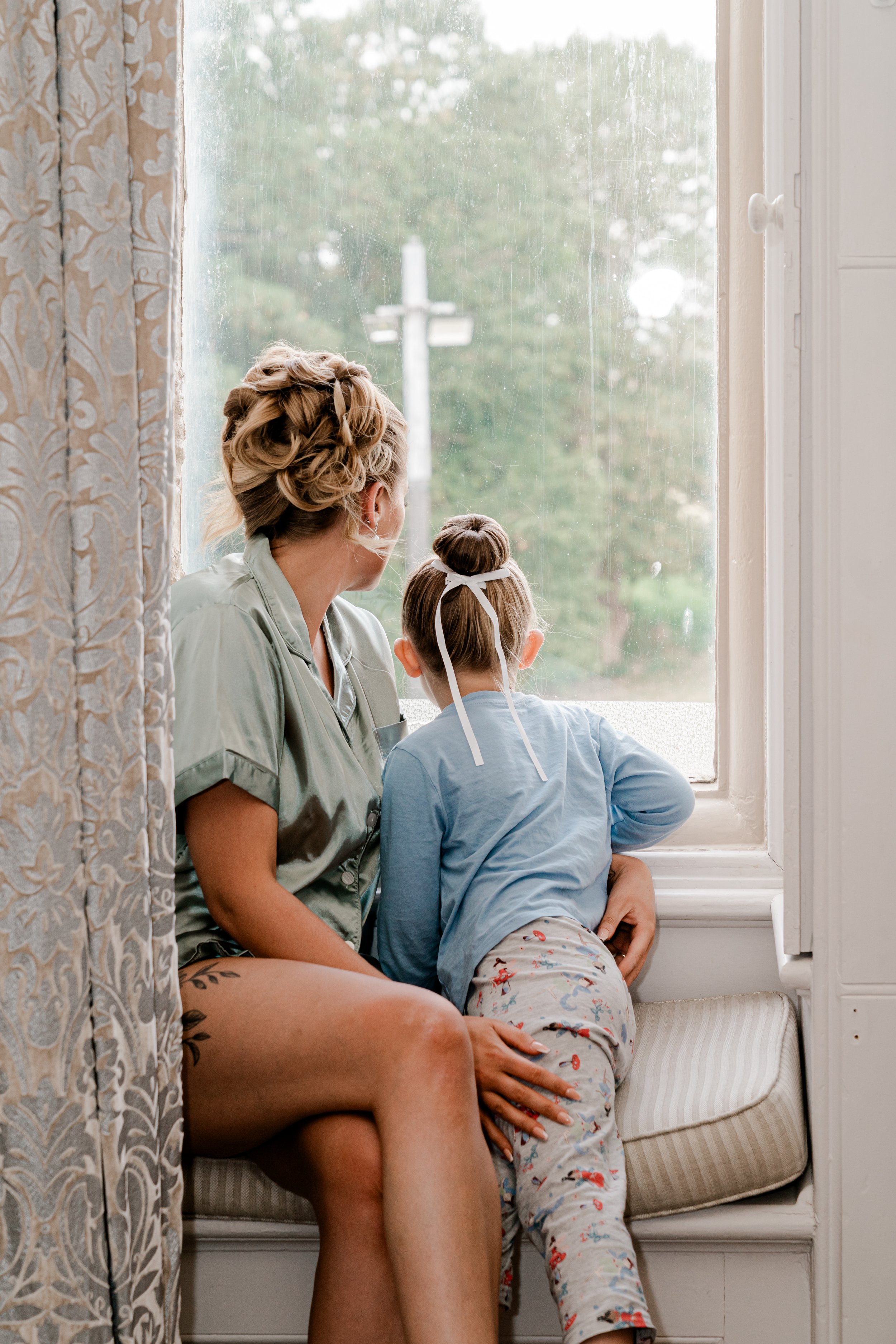
For example, during a ceremony, a longer lens allows for emotional close-ups without physically crowding the space. During morning preparations, a wider lens can capture atmosphere in a small room without needing to constantly shuffle furniture or direct everyone about like a stage manager. Silent or quiet shutter modes help too, especially during readings, vows, and those still little pauses where the last thing you want is a machine-gun rattle from the back row.
Flash is another one. Sometimes it’s necessary, especially once the dance floor starts behaving like a cave with a disco ball. But an unobtrusive photographer won’t blast flash into every moment just because they can. They’ll use available light where possible, understand when flash will change the mood, and know how to keep evening coverage lively without turning the party into a lightning storm.
Reading people is half the job
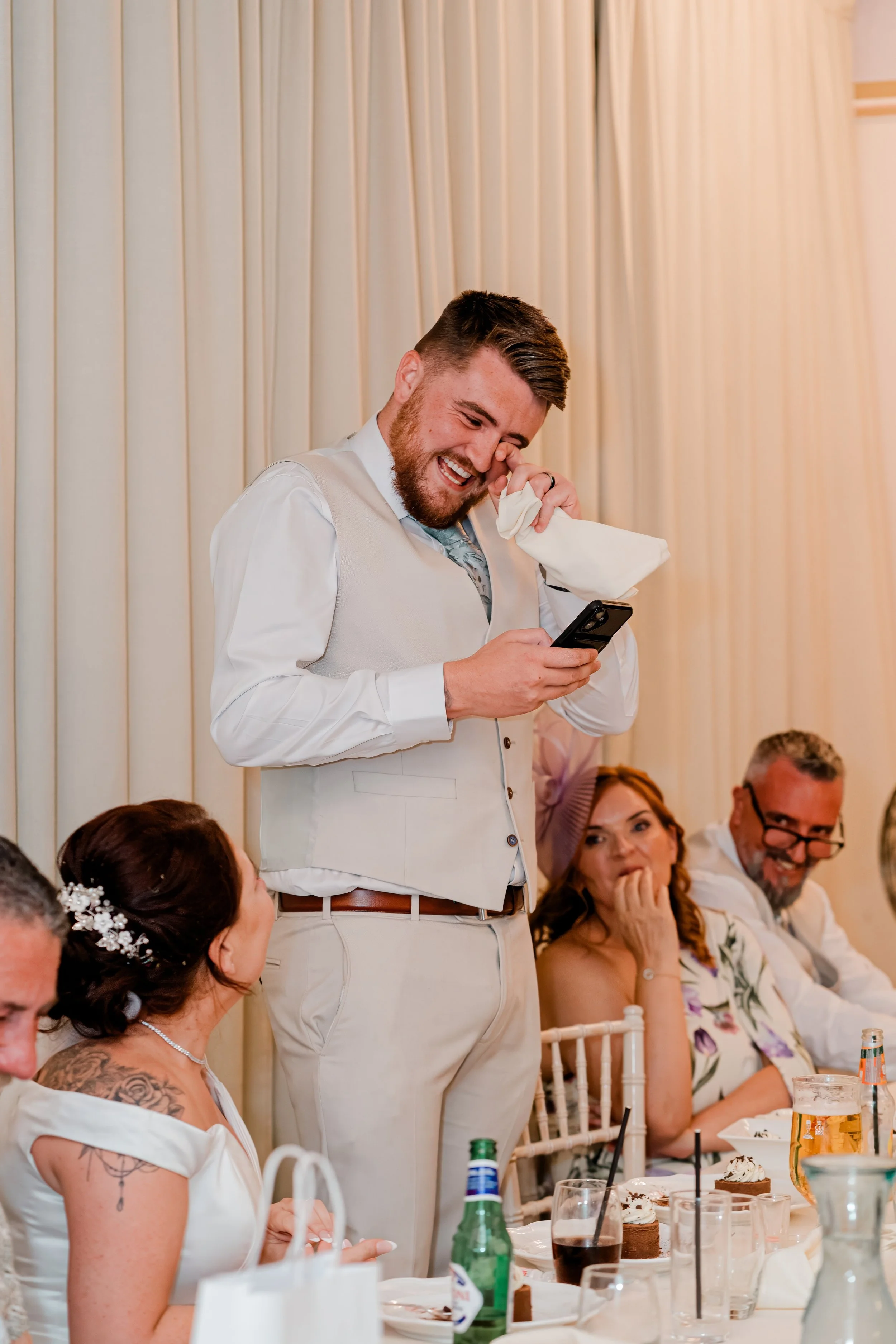
The technical side matters, but honestly, being unobtrusive is as much about emotional intelligence as camera settings. Weddings are full of different energies all happening at once. Some people love attention. Some would rather fake their own disappearance than stand for a photo. Some are holding it together beautifully until one line in a speech sends them over the edge.
An experienced photographer learns to read that without making a song and dance of it. They can tell when a couple need a breather, when a parent is on the edge of tears, or when a group is naturally building into a cracking moment. That awareness helps them stay close enough to catch something real, but not so close that the moment changes because they’ve arrived.
This is especially important for camera-shy couples. If you already feel awkward being photographed, the last thing you need is loads of pressure. A relaxed approach keeps things from becoming performative. You’re not expected to suddenly transform into models who belong on a glossy magazine cover. You’re just allowed to be yourselves, ideally with less stress and better lighting.
Why experience helps photographers stay unobtrusive
There’s no shortcut for experience here. Weddings move quickly, and they rarely run exactly to plan. If a photographer is still figuring out where to stand, how to handle poor light, or what happens next in a ceremony, they’ll naturally be more intrusive because they’re reacting instead of anticipating.
Experience creates confidence, and confidence is quieter. A seasoned photographer doesn’t need to overcompensate by controlling every scene. They trust observation, they know when a moment is building, and they’ve seen enough family group combinations to organise the essentials efficiently without turning it into school picture day.
It also helps when things go a bit sideways, which they sometimes do. Rain arrives. Timings wobble. Someone disappears just before group photos. The room for speeches is darker than expected. An unobtrusive photographer adapts without broadcasting stress to everyone else. Calm is contagious.
The trade-off couples should know about
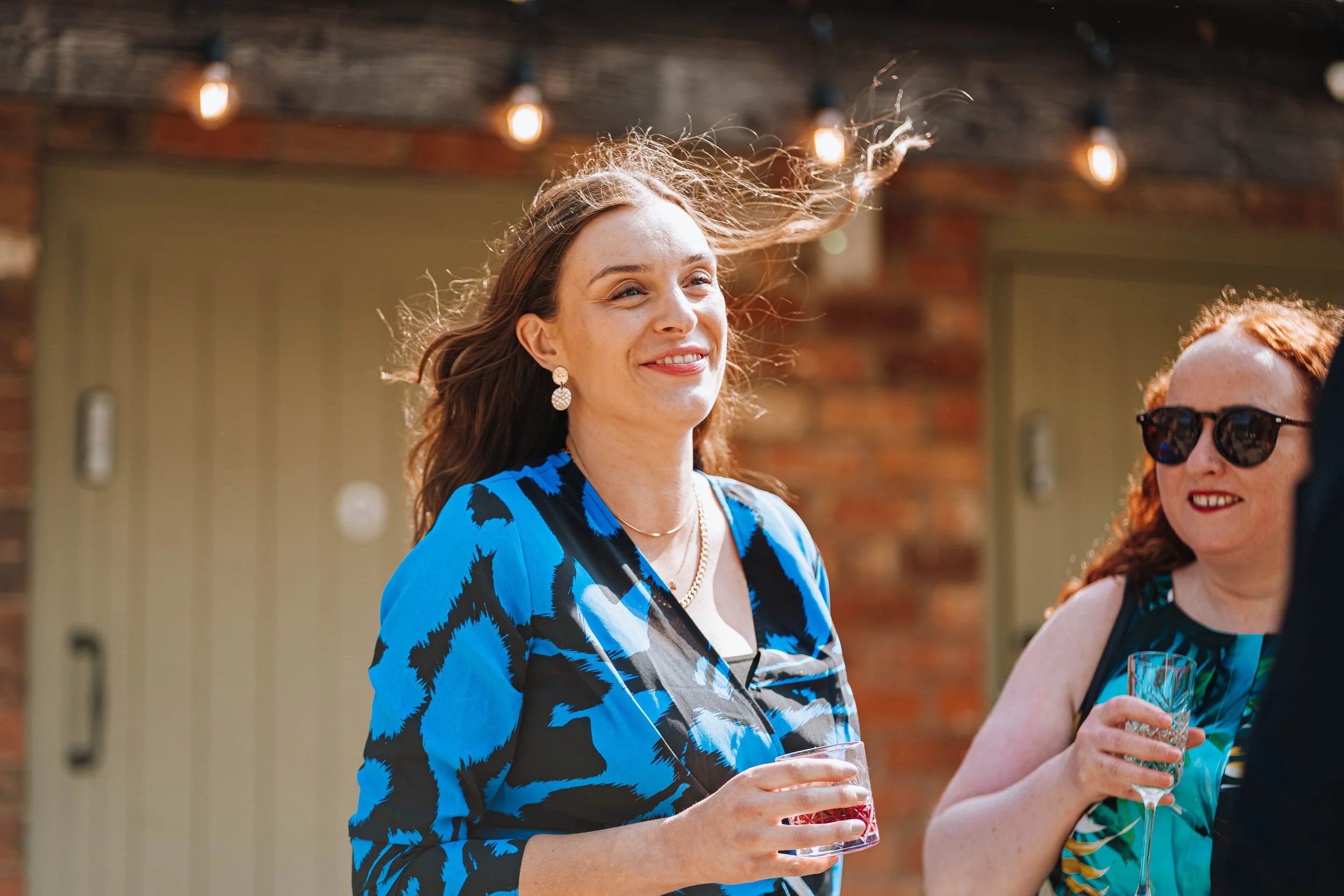
There is one honest trade-off with a truly unobtrusive style. If you want every single image to be highly polished, perfectly symmetrical and tightly directed, documentary coverage may feel looser than traditional photography. Real moments are richer, but they’re not manufactured. A laugh might be bigger than expected. Hair might move in the wind. Your guests may not all be looking neatly in the same direction at once.
That’s not a flaw. It’s usually the point. But it helps to be clear about what you value most. If you want your day captured as it felt, an unobtrusive approach is often the best fit. If you want lots of structured portraits and heavy direction throughout, you may need a different balance.
Most couples land somewhere in the middle. They want natural coverage for most of the day, with just enough gentle guidance for the bits that matter on the mantelpiece. That blend is often where the good stuff lives.
What this looks like in practice
In real terms, unobtrusive coverage often means the morning feels calmer because you’re not constantly being stopped. Your ceremony stays focused on the actual marrying bit. Your drinks reception isn’t swallowed whole by endless posing. And your gallery ends up full of moments you didn’t even realise were happening - your mum fixing your sleeve, your niece raiding the cake table, your partner laughing with their eyes shut during the speeches.
It also means your photos tend to feel like your wedding, not a template of one. That’s a big reason couples choose documentary photographers in the first place. They want the atmosphere, the personality, the in-between bits, and all the lovely unrepeatable nonsense that made the day theirs.
At Tigra Wood Photography, that unobtrusive approach is at the heart of the work. The aim is never to turn up and take over. It’s to be a calm presence, a memory ninja when needed, and to give you space to actually enjoy your wedding while the story unfolds properly.
If you’re choosing a photographer, don’t just ask whether they can be unobtrusive. Ask how they do it. Their answer will tell you a lot about how your day is likely to feel. And when you find someone whose presence puts you at ease, the camera tends to disappear - which is usually when the best photographs start showing up.